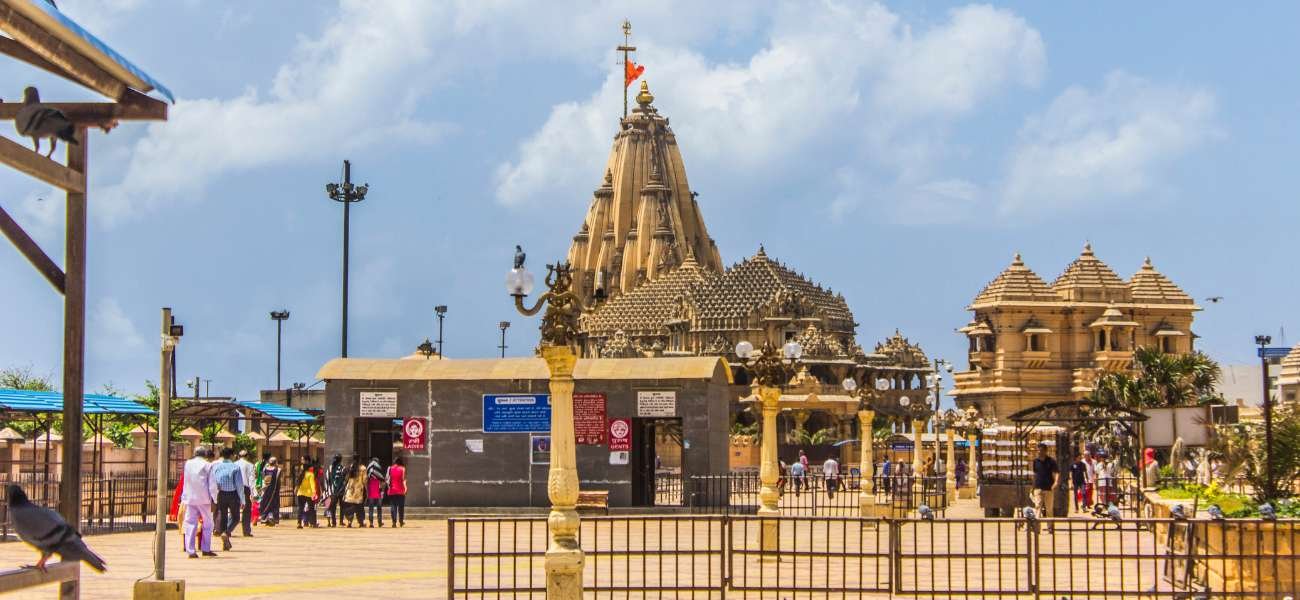
You know that moment when someone says “Gujarati food is just sweet?”
Honestly, that’s when I usually stop them.
Because yes, there is sweetness. But there’s also heat, balance, texture, patience, and a very old habit of making food travel-friendly in a dry climate. Gujarati cooking isn’t loud. It doesn’t shout with spice. Instead, it settles in slowly. And if you eat it the way locals do, not rushing, not over-ordering, it starts to make sense.
This guide to Famous Cuisines of Gujarat isn’t about listing dishes like a menu card. It’s about understanding how food fits into daily life here. Why meals look the way they do. Why certain snacks appear only at specific times. And why almost everything feels comforting, even when you don’t recognize the name.
About Gujarati Cuisine – Why It Tastes the Way It Does
Gujarati food grew out of practicality. Hot weather. Long travel. Limited water. A largely vegetarian culture. So dishes evolved to last longer, travel better, and still taste good hours later.
In my experience, Gujarati meals are built around balance. Sweet from jaggery. Sour from buttermilk or lemon. Heat from green chillies, not heavy masalas. And a calm finish. That’s why you rarely feel heavy after eating traditional Gujarati food, even when the plate looks full.
Also, food here isn’t rushed. Meals stretch. People talk. Refills happen slowly. That rhythm matters.
1. Gujarati Thali – The Heart of All Famous Cuisines of Gujarat
If you eat only one thing in Gujarat, make it a Gujarati thali.
It’s not a single dish, but a complete idea of how food should feel. Roti or puri. Rice. Dal or kadhi. One vegetable that’s slightly sweet. One that’s spicy. A farsan item. Pickle. Chaas. And something sweet at the end.
Here’s the thing though. Thalis change every few hours in good places. Lunch thali is different from dinner. That’s intentional.
Local Guide Tip:
Don’t overload your plate on the first round. Gujarati hosts expect you to eat slowly. Take small portions. Second servings taste better anyway.
2. Dhokla – Soft, Steamed, and Everywhere
Dhokla looks simple. Yellow. Spongy. Mild.
But good dhokla has balance. Slight sourness from fermentation. Gentle sweetness from sugar water tempering. Mustard seeds popping quietly on top.
You’ll find it for breakfast, evening tea, and sometimes even late at night in homes. That’s because it’s light and doesn’t disturb digestion.
Surprisingly, dhokla varies regionally. Khaman in Surat tastes different from dhokla in Ahmedabad. Subtle, but noticeable if you pay attention.
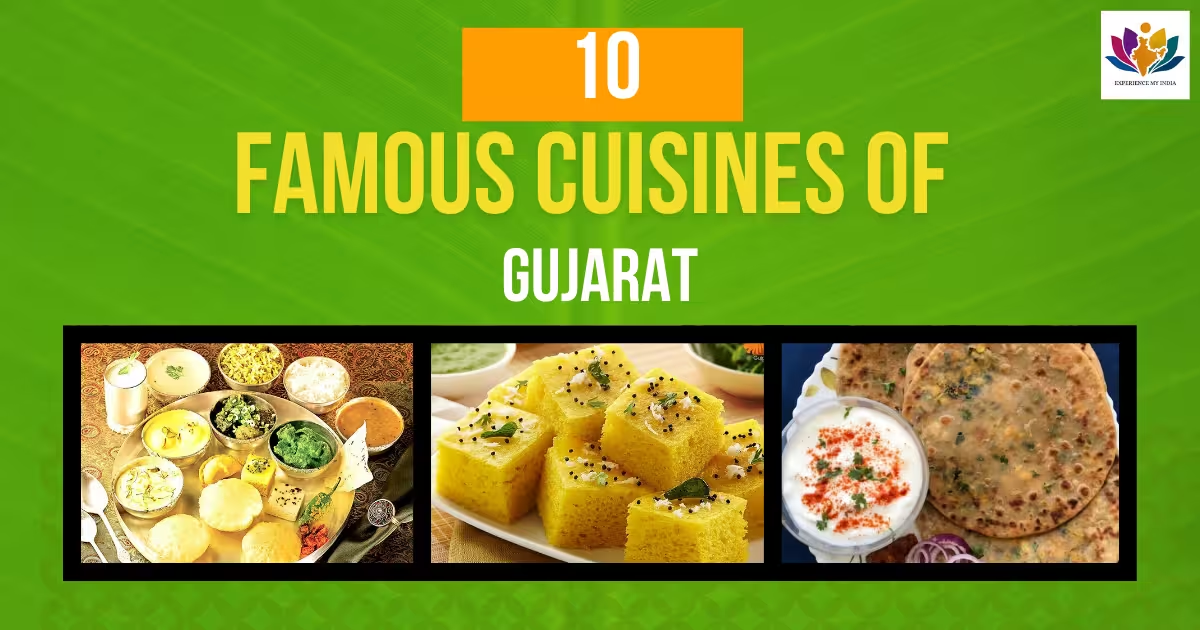
3. Thepla – Travel Food Before Travel Was Easy
Thepla exists because Gujarat has always been a travelling state.
Made from wheat flour, fenugreek leaves, and spices, thepla stays good for days without refrigeration. That’s why it became the default road food.
Eaten with curd, pickle, or even plain, it doesn’t overpower the stomach. Which is why locals carry it on pilgrimages, especially towards Somnath and Dwarka.
Local Guide Tip:
Fresh thepla tastes nice. Day-old thepla tastes better. Slightly chewy. More flavour.
4. Undhiyu – A Winter-Only Tradition
Undhiyu is not everyday food. And that’s important.
It’s made during winter using seasonal vegetables like purple yam, raw banana, fresh beans, and fenugreek dumplings. Everything is slow-cooked together, traditionally underground.
The result is messy. Rich. Green. Slightly oily. And very satisfying.
You’ll mostly find undhiyu during festivals and family gatherings. Eating it outside winter just feels wrong to locals.
5. Fafda and Jalebi – Morning Rules in Gujarat
This pairing doesn’t need introduction, but context matters.
Fafda is crisp, salty, and fried. Jalebi is sweet, sticky, and warm. Together, they balance each other.
In many cities, this is strictly a morning-only food. Shops shut it down by noon. Because this combo is heavy, and locals prefer it before the day heats up.
Honestly, eating fafda-jalebi at night feels like breaking an unspoken rule.
6. Kadhi – Comfort Without Effort
Gujarati kadhi is different from north Indian versions. It’s thinner. Sweeter. Gentler.
Made with buttermilk, gram flour, and tempered spices, it’s meant to soothe. Not impress.
Often eaten with plain rice, kadhi shows how Gujarati cuisine respects digestion. After spicy vegetables or fried farsan, kadhi calms things down.
In my experience, kadhi tastes best at home. Restaurants rarely get the balance right.
7. Handvo – The Savoury Cake of Gujarat
Handvo sits somewhere between a cake and a meal.
Made with mixed lentils, rice, vegetables, and fermented batter, it’s baked or cooked slowly in a pan. Crisp outside. Soft inside.
It’s filling without being heavy. And that’s why it often replaces full meals in the evening.
Some families add bottle gourd. Others add carrots. No two handvos taste exactly the same.
8. Khandvi – Patience on a Plate
Khandvi looks delicate. Thin rolls. Mustard seeds. Coconut.
But making it is hard. Timing matters. Heat control matters. One mistake and it turns grainy.
That’s why khandvi is respected food. Served at celebrations. Rarely made daily.
When done right, it melts. Slightly tangy. Slightly sweet. Perfect with evening tea.
9. Sev Tameta Nu Shaak – Simple but Emotional
This tomato-based curry topped with sev doesn’t look impressive.
But it’s comfort food. The kind people grow up eating. Tangy tomatoes. Mild spices. Crunchy sev added at the last moment.
It’s fast food, Gujarati style. Cooked quickly. Eaten quickly. Remembered long after.
10. Shrikhand – Sweetness With Control
Shrikhand is strained curd sweetened with sugar and flavoured with saffron or cardamom.
It’s rich, but not overwhelming. Usually eaten in small portions, often with puri.
What I like about shrikhand is restraint. Gujarati desserts rarely aim to shock. They aim to finish the meal calmly.
Why Gujarati Food Feels So Balanced
The Famous Cuisines of Gujarat reflect climate, culture, and patience. Meals aren’t rushed. Portions are controlled. Ingredients are seasonal.
And most importantly, food here is meant to support life, not dominate it.
That’s why even heavy items come with light accompaniments. And why sweets appear alongside savoury dishes, not separately.
How to Reach Gujarat for a Food-Focused Trip
By Car
- Gujarat has strong highway connectivity from Rajasthan and Maharashtra
- Road trips allow food stops in smaller towns, which often serve better local dishes
- Early morning drives work best due to heat
By Train
- Ahmedabad, Vadodara, Rajkot, and Surat are major railway hubs
- Trains are reliable and connect well to temple towns
- Local food vendors near stations often serve authentic snacks
And By Air
- Ahmedabad International Airport is the main entry point
- Flights connect well from Delhi, Mumbai, and southern cities
- From airports, road travel is usually required for food-focused exploration
Contact: Somnath Dwarka Tour Package Today:
Call Us: +91 7300620809
WhatsApp Us: +91 7300620809
Visit Our Website: Somnath Dwarka Tour Package
Somnath Dwarka Tour Package is a Unit of Experience My India
Experience My India trip advisor review – Click Here
FAQs – Famous Cuisines of Gujarat
Not really. While many dishes use a hint of jaggery or sugar, Gujarati food focuses more on balance than sweetness alone. You’ll often taste sweet, sour, and spicy notes together in the same dish, which is what defines its character.
Traditionally, yes. Most famous cuisines of Gujarat are vegetarian because of cultural and religious practices. However, coastal regions like Surat do have some local non-vegetarian influences, though they are not part of classic Gujarati meals.
Fafda and jalebi are best eaten in the morning, usually between 7:00 AM and 10:00 AM, as locals do. Dhokla, on the other hand, is eaten throughout the day, especially during breakfast and evening tea time.
A Gujarati thali focuses on variety and moderation. Instead of heavy gravies, it includes lighter vegetables, kadhi, farsan, roti, rice, and a sweet. The goal is comfort and digestion, not richness alone.
In many cases, yes. Dishes like kadhi, khichdi, and thepla are gentle on the stomach. Spices are used carefully, and frying is balanced with steamed or fermented foods.
Thepla is the most travel-friendly dish. It stays fresh for long hours without refrigeration and is commonly carried by locals during road trips, temple visits, and long journeys.
Surprisingly, no. Sweets like shrikhand or mohanthal are rich but served in small portions. They are meant to complete the meal calmly rather than overpower it.
Undhiyu is strictly a winter dish, usually eaten between November and February. Locals wait all year for it because it depends on seasonal vegetables that are unavailable in summer.
You might find Gujarati thalis in big cities, but the taste often changes. Authentic flavours, especially snacks and home-style vegetables, are best experienced within Gujarat itself.
A minimum of 4–5 days works well if you move between cities like Ahmedabad, Surat, Rajkot, and temple towns. This gives you enough time to experience daily meals, snacks, and regional variations without rushing.
Conclusion
Gujarati food isn’t about chasing flavours. It’s about letting them come to you.
If you sit down expecting fireworks, you might miss the point. But if you eat slowly, notice the balance, and follow local timing, the Famous Cuisines of Gujarat start to feel thoughtful. Intentional. Almost meditative.
And that, honestly, is what makes them unforgettable.