There’s a moment most people hit when planning a Gujarat trip. You want temples. You also want nature. Maybe the sea too. But then the routes start overlapping, distances look confusing, and suddenly the idea feels heavier than it should. I’ve seen this happen often. People either rush everything or stretch the trip so much that it loses rhythm.
A Somnath Dwarka Gir Diu tour package works because it follows a natural arc. Devotion first. Then reflection. Then a slow unwind. Gujarat doesn’t reward speed. It rewards pacing. In my experience, when these four places are connected thoughtfully, the journey starts feeling less like ticking boxes and more like moving through layers of history, faith, and landscape.
This guide is written exactly for that reason. Not to sell. Just to explain, calmly, how this route actually works on the ground.
About the Somnath Dwarka Gir Diu Circuit
This route blends three very different experiences, which is why it needs balance.
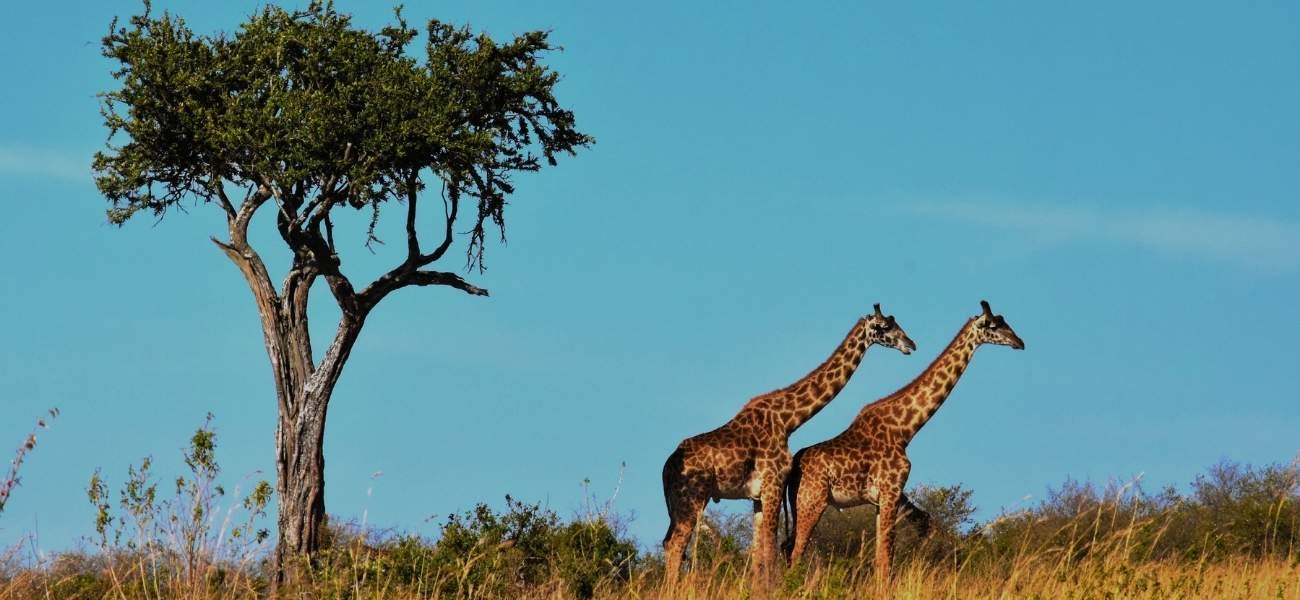
Somnath and Dwarka anchor the journey spiritually. Gir brings in the wild, raw side of Gujarat. Diu softens everything with sea air and quiet evenings. Together, they form a loop that doesn’t feel forced if you respect distances and rest time.
Surprisingly, travellers who assume Gujarat is only about temples often enjoy Gir and Diu the most. And those coming mainly for wildlife usually find themselves unexpectedly moved at Somnath aarti.
A Short Look at the History That Shapes This Route
Gujarat’s west coast has always been about resilience.
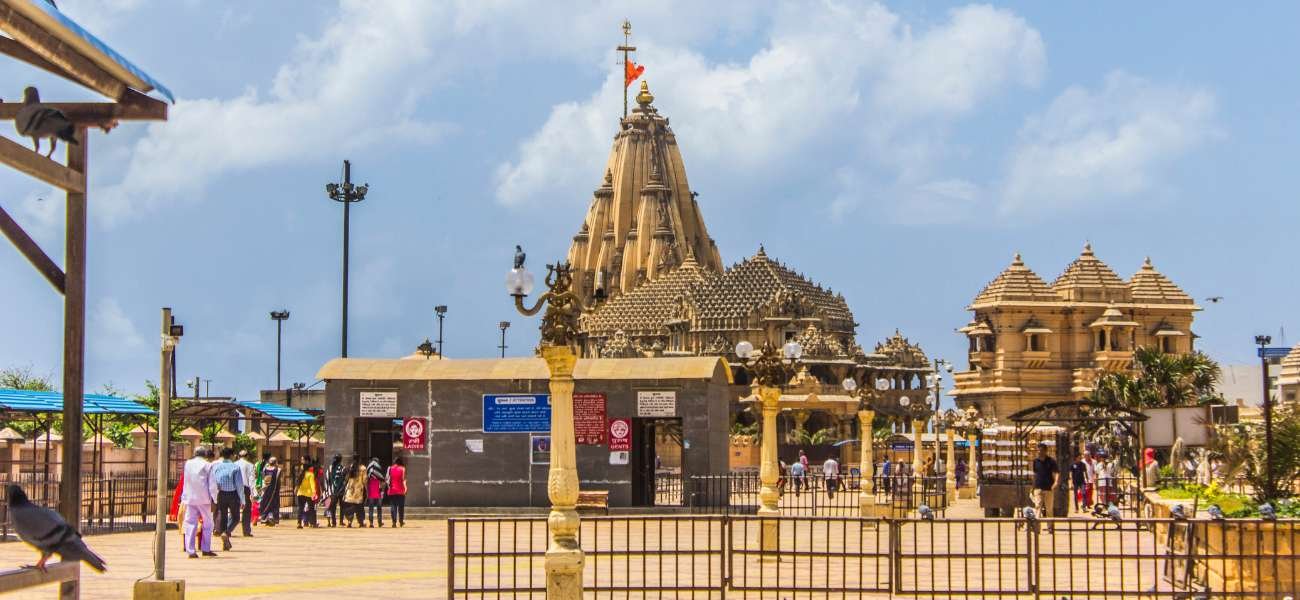
Somnath’s temple history is layered with destruction and rebuilding, which locals don’t dramatise. They speak of it plainly. Dwarka, tied deeply to Krishna’s story, carries a sense of permanence rather than spectacle. Gir, once hunting land for royals, now protects the last Asiatic lions. And Diu still holds traces of Portuguese rule without wearing it loudly.
This contrast is what makes the route meaningful rather than monotonous.

Day-wise Itinerary: What the Journey Actually Feels Like
Day 1: Arrival Ahmedabad – Jamnagar
You land in Ahmedabad or arrive by train. It’s busy, but organised. The drive to Jamnagar eases you into Gujarat’s rhythm.
- Visit Bala Hanuman Temple by the lake
- Continuous Ram dhun feels grounding, not overwhelming
- Evening is slow, almost meditative
Local Guide Tip: Sit for ten minutes before leaving Bala Hanuman. The chanting grows on you only when you stop trying to understand it.
Overnight stay in Jamnagar.
Day 2: Jamnagar to Dwarka
This is when the pilgrimage truly begins.
- Nageshwar Jyotirling darshan comes early
- Gopi Talav feels quiet, almost forgotten by crowds
- Bet Dwarka ferry ride adds movement and salt air
- Rukmani Temple visit balances the day
Evening aarti at Dwarkadhish Temple is intense, devotional, and crowded.
Local Guide Tip: Stand slightly to the side during Dwarkadhish aarti. You’ll see less, but feel more.
Overnight stay in Dwarka.
Day 3: Dwarka – Porbandar – Somnath
This is a long but meaningful day.
- Porbandar break at Kirti Mandir
- Sudama’s story often gets overlooked, but locals still talk about it
- Somnath arrival feels dramatic because of the sea
Evening aarti and light & sound show are worth attending, even if you’re tired.
Overnight stay in Somnath.
Day 4: Somnath – Diu
Morning begins early.
- Abhishekam at Somnath temple
- Visit to Bhalka Tirth, quiet and reflective
Then the tone shifts completely as you move toward Diu.
- Diu Fort
- St. Paul’s Church
- Nagoa Beach for a relaxed evening
Local Guide Tip: Don’t rush Diu sightseeing. Pick fewer spots and let the sea slow you down.
Overnight stay in Diu.
Day 5: Diu – Ahmedabad Departure
After breakfast, the return drive begins. It’s usually quieter. Conversations drop. People reflect. That’s normal on this route.
Drop at Ahmedabad Airport or Railway Station.
Best Time to Visit This Circuit
Best Season to Travel
- October to March offers the most comfortable weather
- Summer is manageable but exhausting, especially in Gir
- Monsoon adds greenery but can affect safari movement
Local Guide Tip: If Gir is important to you, avoid peak holidays. Fewer jeeps mean better sightings.
Festival Celebrations Worth Knowing About
- Somnath Mahashivratri: Heavy crowd, powerful atmosphere
- Janmashtami in Dwarka: Devotional, well-managed but busy
- Navratri in Gujarat: Adds colour if dates align
Festivals enhance the trip but also demand patience.
Nearest Places to See (How Destinations Connect)
- Jamnagar connects smoothly to Dwarka by road
- Porbandar works as a natural mid-stop between Dwarka and Somnath
- Gir can be added between Somnath and Diu if wildlife is priority
- Diu acts as a decompression zone before returning
This loop avoids backtracking, which matters more than people realise.
Why Somnath Dwarka Tour Package Fits This Route Well
Gujarat trips fail when distances are underestimated. Temples have fixed timings. Safari slots don’t wait. Roads slow down without warning.
Somnath Dwarka Tour Package focuses on pacing, not stuffing. As a planning support partner, the emphasis stays on realistic movement, proper rest, and understanding when to pause rather than push forward. That approach suits this circuit better than rigid schedules.
Safety Tips from the Ground
- Wear non-slippery footwear in temples
- Keep Gir safari documents handy
- Avoid late-night coastal driving near Diu
- Respect temple photography restrictions
Local Guide Tip: Carry cash in smaller towns. Digital payments aren’t always reliable.
How to Reach the Somnath Dwarka Gir Diu Circuit
By Car
- Best option for flexibility
- Roads are mostly good, but time buffers are essential
By Train
- Ahmedabad and Veraval are key railheads
- Internal travel still requires road support
And By Air
- Ahmedabad is the main entry point
- Diu airport works well for exit planning
FAQs: Somnath Dwarka Gir Diu Tour Package
Yes, but pacing matters. Early temple visits, fewer daily stops, and comfortable hotels make the journey manageable. In my experience, older enjoy the route when rest is prioritised.
Absolutely. Some travellers prefer extending time in Dwarka or Diu instead. The circuit is flexible enough to allow that adjustment.
Very. Especially during Janmashtami. Darshan lines lengthen, and movement slows. Planning early entry times helps reduce stress.
Yes. Diu is calm, clean, and family-friendly. Evenings are peaceful, and the atmosphere feels relaxed after temple-heavy days.
Five days is comfortable. Shorter trips feel rushed, while longer ones often stretch unnecessarily unless Gir exploration is expanded.
Mid-range hotels close to temples or town centres work well. Luxury isn’t necessary, but location matters.
Not really. Priests and locals guide naturally. Observing quietly helps you blend in without confusion.
No. Temples like Somnath and Dwarka restrict photography. Always check signs or ask locals before using cameras.
Moderate walking is involved, mostly inside temple complexes. Comfortable shoes make a noticeable difference.
Conclusion
A Somnath Dwarka Gir Diu tour package isn’t about doing everything. It’s about doing the right things in the right order. When planned thoughtfully, the journey feels steady, not rushed. Spiritual without being heavy. Scenic without distraction.
Gujarat doesn’t impress loudly. It stays with you quietly. And honestly, that’s what makes this route worth remembering.