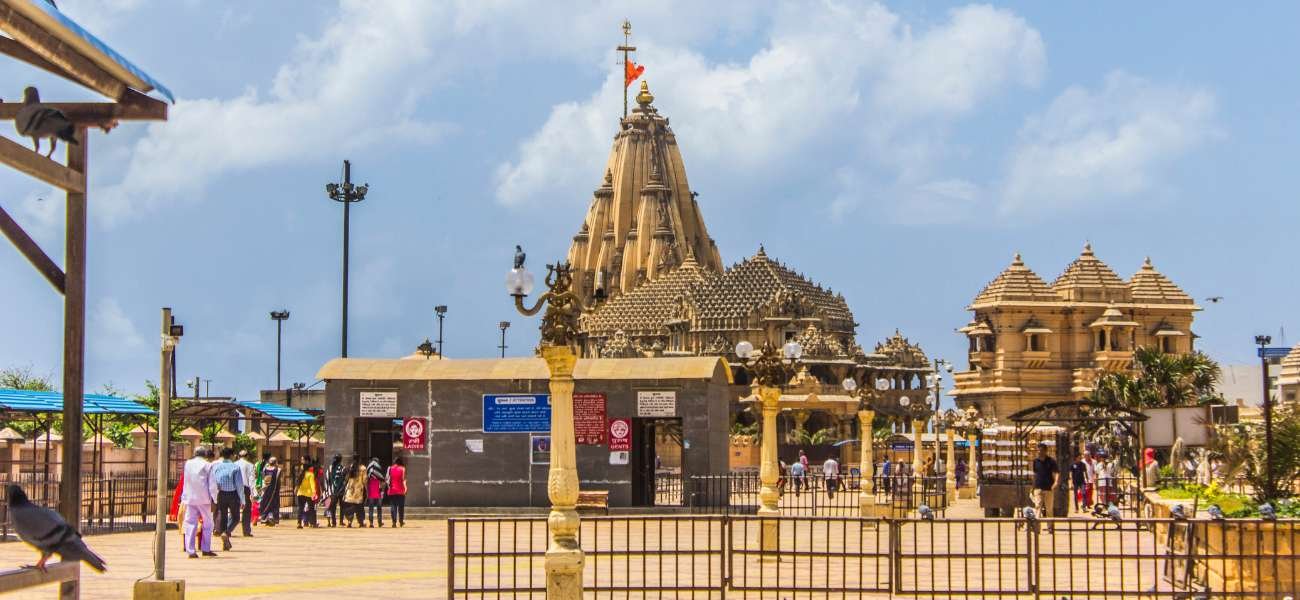
If you’ve ever planned a Gujarat trip and felt confused about whether Mahudi Temple is “worth the detour,” you’re not alone. I’ve heard that question many times, usually from travellers balancing time, faith, and road fatigue. Here’s the honest answer, based on being there myself. Mahudi isn’t flashy. It doesn’t announce itself loudly. Instead, it settles into you slowly, especially if you arrive early, when the bells sound softer and the air still feels untouched.
Mahudi Temple in Gujarat isn’t only a Jain pilgrimage stop. It’s a place people come to with very specific hopes. Some arrive quietly. Some visibly anxious. Others just curious. By the time they leave, most carry a different expression on their face. Calmer, lighter, or simply thoughtful. That shift is hard to explain on paper, but once you’re there, it makes sense.
This guide walks you through Mahudi the way a local or repeat visitor would explain it. No rush. No exaggeration. Just real, useful detail.
About Mahudi Temple in Gujarat
Mahudi Temple in Gujarat is located in the Gandhinagar district, surrounded by quiet villages and open stretches of land. Historically, the place was known as Madhumati, and even today, locals sometimes use that name casually.
What makes Mahudi unique is not size or architecture alone. It’s the belief system that operates very strictly here. Rituals are followed exactly as they have been for decades. No shortcuts. No exceptions. That discipline is part of why devotees trust this place deeply.
Although it is a Jain temple, Mahudi sees visitors from many backgrounds. People don’t come just to “see” the temple. They come with intent.
History and Spiritual Significance of Mahudi Jain Temple
The history of Mahudi Temple in Gujarat stretches back nearly 2,000 years, which becomes clear when you learn about the Brahmi script inscriptions and artistic remains discovered in the region. These findings suggest the site was spiritually active long before the present structure existed.
The current temple complex was established in 1917 CE by Acharyadev Buddhi Sagarsurisvarji, a respected Jain monk whose vision was to revive Mahudi as a disciplined centre of worship.
Key Deities and Beliefs
- Bhagawan Padmaprabh
The main idol is a 22-inch marble murti, calm in expression and finely carved. Devotees usually begin their darshan here. - Ghantakarna Mahavir Dev
This is where Mahudi’s reputation truly comes from. Unlike traditional Jain depictions, this idol holds a bow and arrow, symbolising protection. Many believe Ghantakarna Mahavir Dev responds quickly to sincere prayers.
Surprisingly, even sceptical visitors often leave respecting the discipline of belief here. You don’t need to believe everything to feel the seriousness of the place.
The Sukhadi Tradition – A Rule That Is Never Broken
One of the most talked-about aspects of Mahudi Temple in Gujarat is the Sukhadi prasad tradition.
Sukhadi, made from jaggery, ghee, and wheat, is offered to Ghantakarna Mahavir Dev. Here’s the crucial part:
👉 It must be eaten within the temple premises.
👉 It cannot be taken outside.
I’ve seen first-time visitors look surprised by this rule. Some even hesitate. But temple volunteers are firm, polite, and very clear. In my experience, following this rule carefully is take more seriously than almost any other ritual here.
Local belief says promises made to Ghantakarna Mahavir Dev should never be broken. That belief shapes the entire atmosphere of Mahudi.
Mahudi Temple Timings and Aarti Schedule
Temple follows a consistent daily schedule, which helps travellers plan easily.
Mahudi Temple Timing Table
| Activity | Time |
| Temple Opening | 6:00 AM |
| Morning Aarti | 6:00 AM |
| General Darshan | 6:00 AM – 8:00 PM |
| Evening Aarti | 7:00 PM – 8:00 PM |
| Temple Closing | 8:00 PM |
During Kali Chaudas, timings may extend, and crowd movement becomes more regulated due to the volume of devotees.
Festival Celebrations Worth Knowing About
Mahudi is calm most of the year, but one night changes everything.
Kali Chaudas
- Held before Diwali, usually in October or November
- Attracts lakhs of devotees
- Special havan rituals and continuous bell ringing
- Entry and exit routes have controlled by volunteers
If you plan to visit during Kali Chaudas, patience matters more than speed. Everything moves slowly, and that’s intentional.

Things to Do at Mahudi Temple
Mahudi isn’t about ticking off activities, but there are a few meaningful ways to spend time here.
- Sit quietly near the shrine after darshan
- Observe how rituals are conducted without announcements
- Watch how locals prepare and consume Sukhadi
- Walk around the complex and notice the absence of noise
In my experience, spending at least one uninterrupted hour here allows the place to register properly.
How to Reach Mahudi Temple in Gujarat
By Car
- Ahmedabad to Mahudi: ~65 km
- Gandhinagar to Mahudi: ~35 km
- Travel time: 1 to 1.5 hours
- Route: Pethapur–Mahudi Highway
- Roads are generally smooth, but night driving requires attention due to low lighting
By Train
- Nearest station: Vijapur (approx. 10 km)
- Alternative stations: Prantij
- From station, autos and taxis are available but limited late evening
And By Air
- Nearest airport: Ahmedabad
- From airport, road travel is the only option
- Best to start early to avoid city traffic
Safety and Practical Tips for First-Time Visitors
Local Guide Tip
Arrive before 8:00 AM if you want a quieter experience. Midday can feel rushed due to group visits.
Other practical points:
- Dress modestly and simply
- Follow volunteer instructions without debate
- Avoid carrying Sukhadi outside, even accidentally
- Keep footwear organised near entry points
Mahudi feels safe, but discipline is expect. That balance keeps the temple peaceful even during crowded days.
Nearest Places That Connect Well with Mahudi
Mahudi works well as part of a short spiritual circuit.
- Gandhinagar – for Akshardham and calm evening walks
- Ahmedabad – for Sabarmati Ashram and heritage areas
- Vijapur – useful for railway connections
Most travellers complete Mahudi darshan in half a day and return the same evening.
Why Somnath Dwarka Tour Package Fits Well for Mahudi Travel
Mahudi requires timing more than luxury. Routes need clarity. Darshan works best when planned calmly. That’s where Somnath Dwarka Tour Package quietly fits in.
Instead of rushing, the focus stays on:
- realistic departure times
- understanding temple discipline
- smooth road coordination
As a Planning Support Partner, Somnath Dwarka Tour Package helps travellers include Mahudi without stress or confusion, especially for those unfamiliar with Gujarat’s interior routes.
FAQs – Mahudi Temple in Gujarat
Mahudi Temple is open every day from 6:00 AM to 8:00 PM. Morning aarti starts at 6:00 AM, while evening aarti usually takes place between 7:00 PM and 8:00 PM. It’s best to arrive early morning if you want a calmer darshan.
No, there is no entry fee for visiting Mahudi Temple in Gujarat. Darshan and aarti are free for all devotees. You only pay for parking or optional offerings inside the temple complex.
Mahudi Temple is about 65 km from Ahmedabad and roughly 35 km from Gandhinagar. By car, the journey usually takes 1 to 1.5 hours, depending on traffic and road conditions.
Ghantakarna Mahavir Dev is believed to be a powerful protector deity. Devotees visit this shrine to seek relief from obstacles and fears. In my experience, people come here with strong faith, especially to fulfil personal vows.
Sukhadi prasad must be consumed only inside the temple premises. It is strictly not allowed to carry it outside. This rule is taken very seriously, and volunteers ensure it is followed properly.
Early morning between 6:00 AM and 9:00 AM is considered the best time. The crowd is lighter, and darshan feels more peaceful. Evening hours can be busier, especially on weekends.
Kali Chaudas is the most significant festival at Mahudi Temple in Gujarat. It usually falls before Diwali and attracts lakhs of devotees. Special rituals, havans, and extended darshan hours are observed on this day.
The nearest railway station is Vijapur, about 10 km away from Mahudi Temple. From the station, you can hire a taxi or auto-rickshaw. Some travellers also use Prantij station for better connectivity.
Yes, Mahudi Temple is generally suitable for older citizens. The walking distance inside the complex is manageable, and the area is flat. However, during festivals like Kali Chaudas, crowds can be heavy, so extra care is advised.
Most visitors spend 1 to 2 hours at Mahudi Temple, including darshan and prasad rituals. If you prefer a relaxed visit with less crowd pressure, planning half a day works well, especially if you’re coming from Ahmedabad or Gandhinagar.
Conclusion
Mahudi Temple in Gujarat isn’t about grandeur or sightseeing. It’s about commitment. Rules here aren’t flexible, and that’s exactly why faith feels grounded. Whether you arrive as a believer, a curious traveller, or someone just passing through, Mahudi asks for one thing. Respect.
Contact: Somnath Dwarka Tour Package Today:
Call Us: +91 7300620809
WhatsApp Us: +91 7300620809
Visit Our Website: Somnath Dwarka Tour Package
Somnath Dwarka Tour Package is a Unit of Experience My India
Experience My India Trip Advisor Review
Give it time. Follow the rituals as they are. Eat the Sukhadi where you’re told. Leave without questioning too much. Often, the understanding comes later, quietly, long after you’ve driven away.