Some journeys do not feel like new beginnings. They feel like returns — to a story you have heard, to a prayer you already know. A Dwarka and Somnath Tour is such a journey. Two towns, standing far apart on the same coast of Gujarat, connected not only by roads but by faith that has lived longer than walls and seas.
Dwarka speaks of Krishna, of his city washed by waves of time. Somnath whispers of Shiva, of a temple broken and rebuilt, but never silenced. To travel between them is to walk between devotion and endurance, to see how faith holds steady across centuries.
Dwarka and Somnath Tour – Two Shores, One Spirit
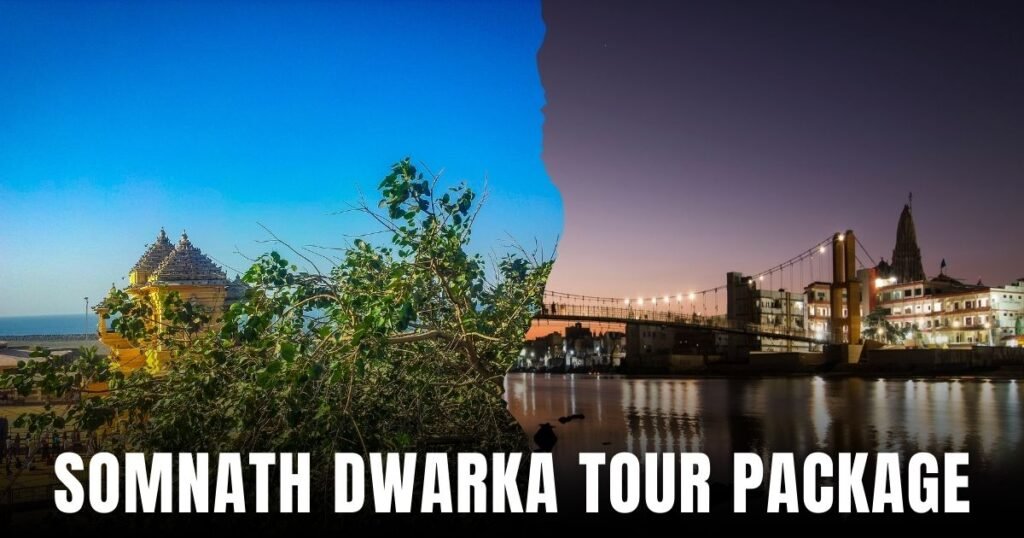
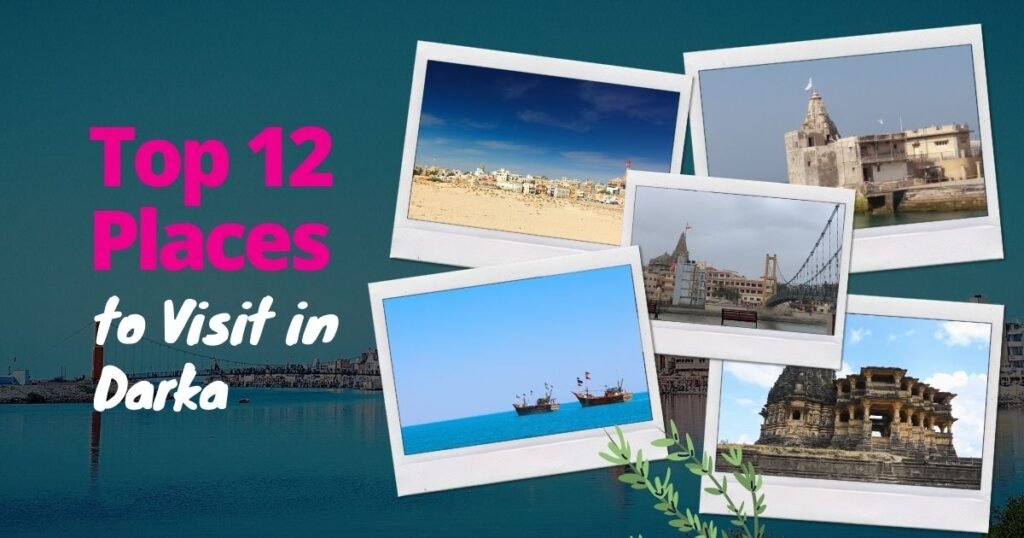
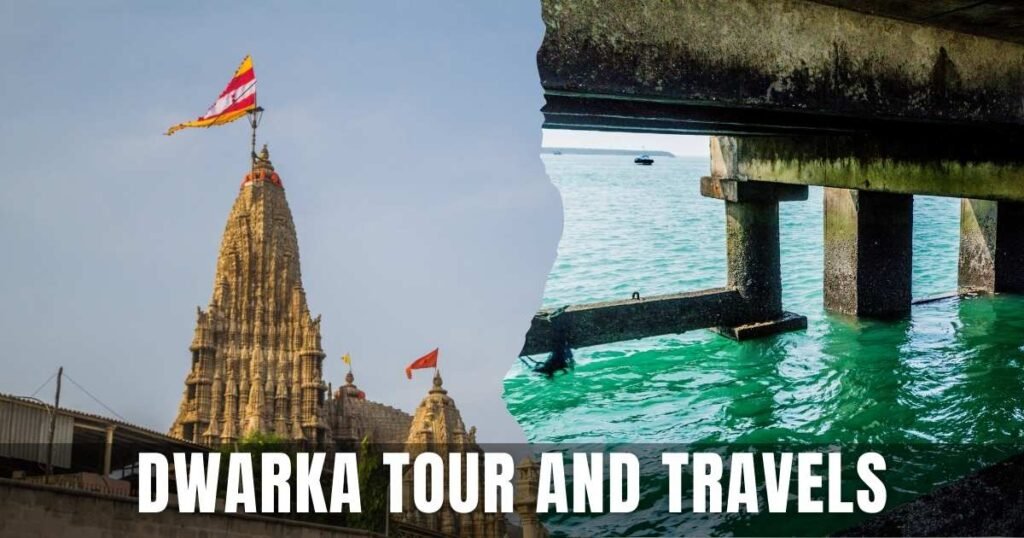
Dwarka rests by the Gomti, its ghats alive with pilgrims. The idol of Dwarkadhish is dressed each day like a king, and yet the temple feels like home for all. Narrow lanes lead you to smaller shrines, each with its own rhythm of bells.
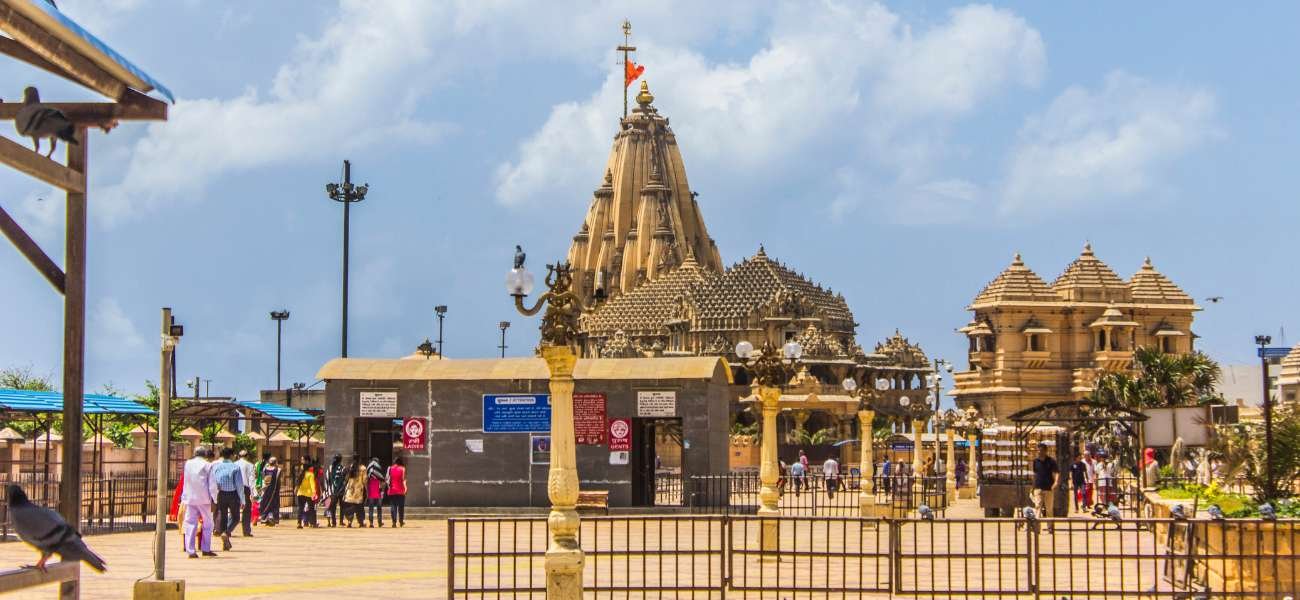
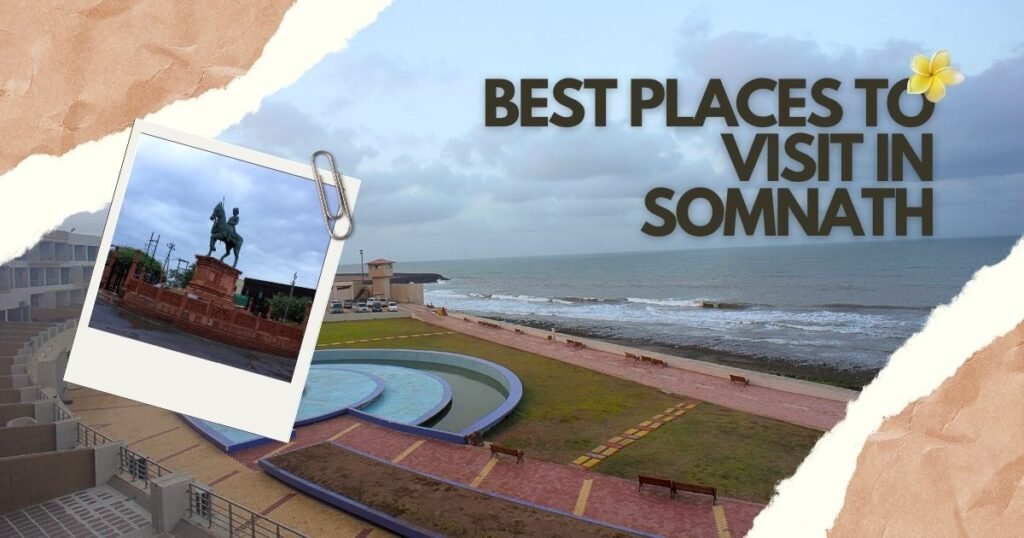
Somnath, by the Arabian Sea, feels different. Waves strike the stones, and the temple rises against the horizon, carrying scars of invasions and strength of endless rebuilding. When the evening aarti begins, the sound of conch shells mixes with the roar of the sea — reminding every traveller that devotion is stronger than time.
A Dwarka and Somnath Tour ties these two together, and in that thread, you feel the spirit of Gujarat’s pilgrimage.
Dwarka Somnath Travel Itinerary – A Slow Path
Pilgrimage is not about covering distance fast. It is about walking gently. A simple Dwarka Somnath travel itinerary can look like this:
Day 1: Dwarka
Arrive by afternoon. Visit Dwarkadhish Temple for evening aarti. Sit at Gomti Ghat, watch diyas float on the water. End the day in quiet.
Day 2: Around Dwarka, then Somnath
Begin with morning darshan at Dwarkadhish. Visit Nageshwar Jyotirlinga and then cross the ferry to Bet Dwarka, where Krishna is still remembered in every stone. In the evening, start the road to Somnath. The journey is long, but the fields and villages pass slowly, like chapters in a book.
Day 3: Somnath
Stand at Somnath Temple in the morning. The air is filled with chants. Visit Triveni Sangam, where three rivers meet the sea. Stop at Bhalka Tirth, where Krishna is said to have left his mortal body. In the evening, return for the temple aarti and the sound-and-light show by the sea.
This rhythm gives time to pray, to sit, to feel.
Timings You Should Know
Temples live by the rhythm of bells, not by watches. Yet, knowing the timings helps.
- Dwarkadhish Temple: 6:30 AM – 1:00 PM, 5:00 PM – 9:30 PM
- Nageshwar Jyotirlinga: 6:00 AM – 9:00 PM
- Somnath Temple: 6:00 AM – 9:30 PM. Aarti at 7:00 AM, 12:00 PM, and 7:00 PM. Sound and light show at 8:00 PM.
Arrive early in the morning or just before evening aarti. Those are the hours when devotion feels alive, when chants rise louder than crowds.
Best Time to Visit Dwarka and Somnath
The sea decides much of the mood here. The best time to visit Dwarka and Somnath is from October to March, when the air is cool and mornings are clear.
Summer brings heat, and the stones of the temples grow hot by noon. Monsoon brings heavy rains, but also a freshness to the ghats and gardens. For some, the sight of Somnath against stormy waves is unforgettable.
Festivals like Janmashtami in Dwarka and Maha Shivratri in Somnath fill the towns with devotion. The crowds are heavy, but the energy is like no other.
Gujarat Pilgrimage Tour Package – Going Beyond
Many travellers weave the Dwarka and Somnath Tour into a larger Gujarat pilgrimage tour package. On the way, they stop at Porbandar — the birthplace of Gandhi, a city of simplicity. Some continue to Gir National Park to glimpse lions in their last natural home. Others drive to Diu, where quiet beaches wait beside old Portuguese walls.
Yet, even when you add these, Dwarka and Somnath remain the heart. Krishna and Shiva. Faith by the river, faith by the sea.

Distances on the Path
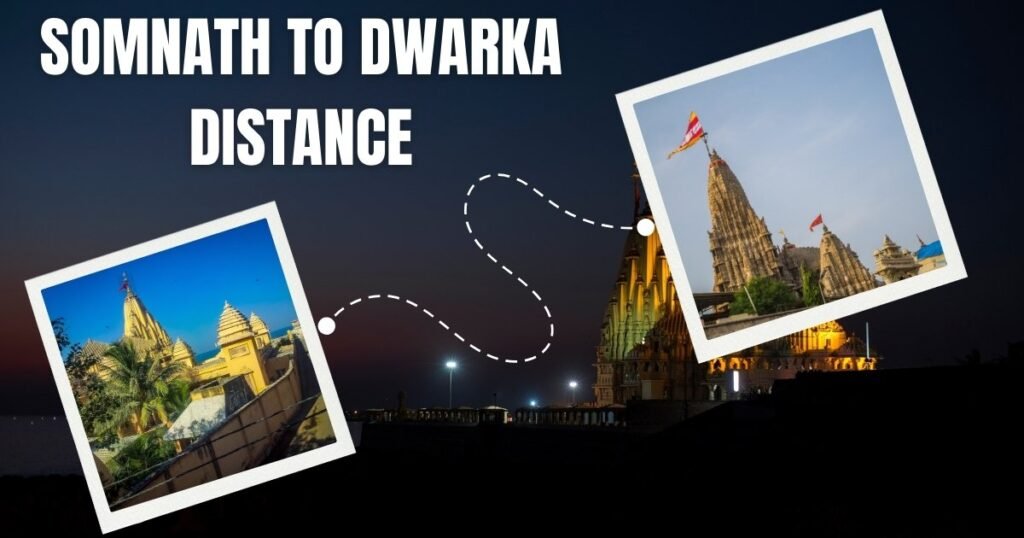
- Dwarka to Somnath: 230 km, 4.5–5 hours
- Dwarka to Bet Dwarka: 30 km, including ferry
- Dwarka to Nageshwar Jyotirlinga: 12 km
- Somnath to Gir: 45 km
- Somnath to Porbandar: 130 km
The road between Dwarka and Somnath is smooth, with villages and fields opening one after another. Travelling by car makes it easy to pause — for chai, for photographs, or simply to stretch and breathe.
What the Journey Leaves With You
A Dwarka and Somnath Tour does not end when you leave the towns. It stays. You remember the sight of the Dwarkadhish idol, dressed in silks, you remember the sound of Somnath’s aarti rising against the Arabian Sea. You remember Gomti Ghat in the evening, where pilgrims chant and diyas float like stars.
What you carry home is not bought in shops. It is the silence, the chants, the endurance of temples that have outlived kings, invasions, and time itself.
With Somnath Dwarka Tour Package
At Somnath Dwarka Tour Package, we know a pilgrimage cannot be rushed. Our role is simple — to make the journey comfortable, the road easy, the timing right. From cabs to guides to stays, we arrange so you can focus on what matters — the darshan, the prayer, the quiet moments by the sea.
FAQs – Dwarka and Somnath Tour
Q1. How many days are needed for the tour?
Three days are enough to see both Dwarka and Somnath with peace.
Q2. What is the distance between Dwarka and Somnath?
Around 230 km, about 5 hours by road.
Q3. What are temple timings?
Dwarkadhish: 6:30 AM–1:00 PM, 5:00–9:30 PM. Somnath: 6:00 AM–9:30 PM, with aartis at 7 AM, 12 noon, and 7 PM.
Q4. When is the best time to visit?
October to March is most comfortable.
Q5. Can both be done in one day?
No. At least 2 nights, 3 days are needed.
Q6. Can I include Gir National Park?
Yes, it is just 45 km from Somnath.
Q7. Is Porbandar on the way?
Yes, it lies between Dwarka and Somnath and can be included.
Q8. How to travel between Dwarka and Somnath?
By road. A private cab is the easiest way.
Q9. Are hotels available?
Yes, from dharamshalas to modern hotels in both towns.
Q10. Is evening aarti worth attending?
Yes. In both Dwarka and Somnath, evening aarti is the soul of the visit.