Most people don’t book a dwarka and somnath tour package because it looks good on paper. They book it because, at some point, the idea of visiting Dwarka and Somnath keeps returning to them quietly. Not urgently. Not dramatically. Just often enough to matter. These are not places people usually rush to. They are places people wait for—until life gives them a small window, maybe a few days, maybe a reason.
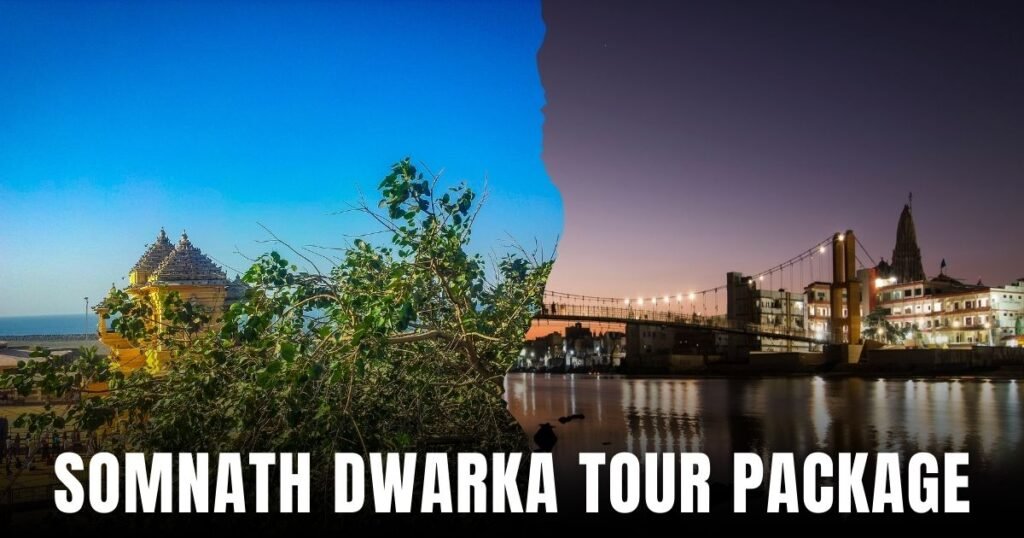
Dwarka and Somnath are connected not just by geography, but by mood. One sits by the sea, steady and reflective. The other stands firm against time, destruction, and rebuilding. When visited with the right flow, the journey between them feels less like travel and more like a gradual inner settling. That is why understanding the itinerary and travel flow matters more here than the number of places covered.
How a Dwarka and Somnath Tour Package Usually Unfolds
A well-planned dwarka and somnath tour package does not feel hurried. It follows a natural progression. Dwarka comes first for many travellers, not because of distance alone, but because it gently eases you into the pilgrimage. Somnath, with its intensity and history, feels more powerful when experienced after that grounding.
Most Dwarka Somnath pilgrimage tour package plans allow enough time at each location so the temples don’t blur into each other. The travel days are kept realistic. Darshan timings are respected. And there is space—actual space in the day—for sitting, waiting, and doing nothing for a while. This “nothing” often becomes the most remembered part.
About Dwarka and Why It Sets the Tone
Dwarka does not announce itself loudly. You arrive, hear the sea before you see it, and slowly realise that the town moves at its own pace. For first-time visitors, this can feel confusing. They expect energy and get calm instead.
Dwarka is associated with Lord Krishna as a king, a guide, and a presence that feels steady rather than dramatic. In a Dwarka Somnath religious tour, Dwarka usually comes first because it prepares the mind for what follows. Morning walks near the coast, temple bells mixed with sea wind, and slower darshan moments create a sense of arrival that does not need explanation.
Temples in Dwarka – Explained Clearly With Darshan Timings
A thoughtful dwarka and somnath tour package does not overload Dwarka with too many stops. It focuses on a few meaningful ones, visited at the right time.
Dwarkadhish Temple
Dwarkadhish Temple is the heart of Dwarka. The temple feels alive from early morning, and darshan follows a structured rhythm with aartis throughout the day.
Darshan Timing:
Morning: Around 6:30 AM to 1:00 PM
Evening: Around 5:00 PM to 9:30 PM
Early morning darshan feels calmer and more personal. Evening aarti carries a different energy but draws heavier crowds.
Gomti Ghat
Gomti Ghat is not a place you “visit” quickly. People come here to sit, wash their hands in the water, or simply watch others do the same.
There is no fixed timing, but early morning and evening feel most peaceful. It fits naturally before or after temple darshan without effort.
Rukmini Devi Temple
Located slightly outside the main town, this temple feels quieter and less crowded.
Darshan Timing:
Morning: Around 6:00 AM to 12:00 PM
Evening: Around 4:00 PM to 8:00 PM
Many travellers find this temple emotionally grounding because it lacks noise and urgency.
Travel Flow From Dwarka to Somnath
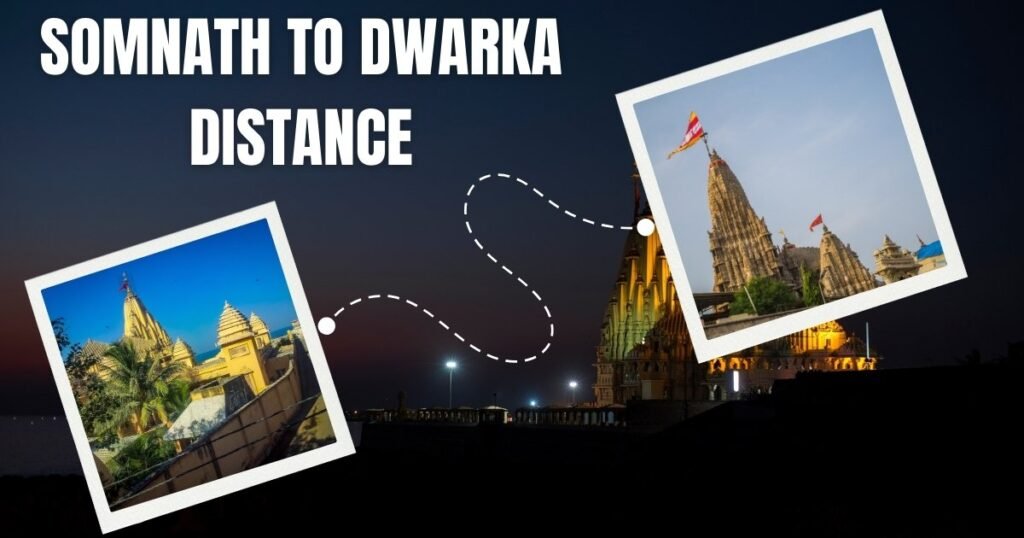
The journey from Dwarka to Somnath is an important part of the Dwarka Somnath temple tour itinerary. It is not something to rush. Road travel usually takes several hours, and the landscape slowly changes along the way.
This travel day often acts as a mental transition. Conversations slow. People nap. Some just watch the road. Arriving in Somnath after this journey feels different than arriving directly from a busy city.
About Somnath and Its Quiet Strength
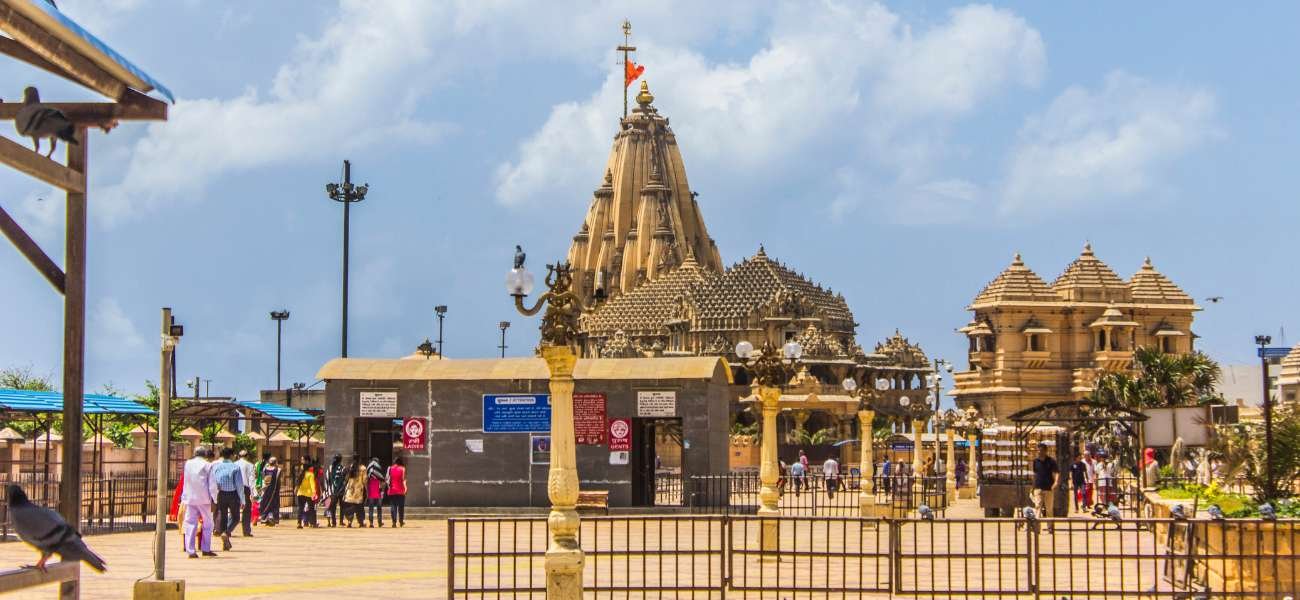
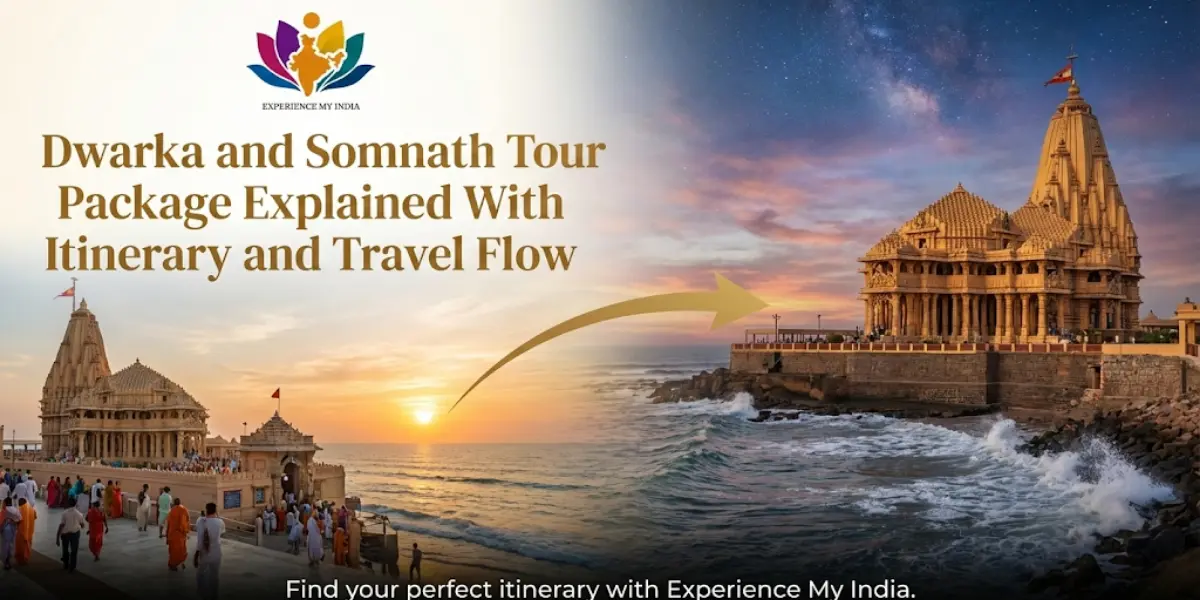
Somnath does not feel calm in the same way Dwarka does. It feels strong. The temple stands near the sea, carrying the weight of repeated destruction and rebuilding. Many visitors feel an unexpected heaviness here—not sadness, but depth.
In a dwarka and somnath tour package, Somnath is usually placed after Dwarka because the experience feels more intense. The sound of waves, the open sky, and the temple structure together create an atmosphere that stays with people long after they leave.
Temples in Somnath – Explained Clearly With Darshan Timings
Somnath Jyotirlinga Temple
This is the primary reason most people come here. Darshan follows a steady flow, and the temple is well-managed despite large crowds.
Darshan Timing:
Morning: Around 6:00 AM to 1:00 PM
Evening: Around 5:00 PM to 9:00 PM
Morning darshan feels quieter and more focused. Evening aarti, especially after sunset, carries a deep emotional pull.
Bhalka Tirth
Bhalka Tirth is associated with the final moments of Lord Krishna’s earthly life. The place feels reflective rather than ritualistic.
There are no long queues here. Visitors usually spend a short time in silence before moving on.
Triveni Sangam
This is where three rivers are believed to meet. It feels best visited during early morning or evening, when the surroundings are quieter.
It often becomes a place people don’t plan for but remember most.
Rituals and Festivals You May Encounter
In both Dwarka and Somnath, festivals change the rhythm of the town completely. Janmashtami in Dwarka brings energy and crowd movement that lasts all day. Mahashivratri in Somnath feels intense and deeply devotional.
A Dwarka Somnath pilgrimage tour package during festival times requires patience and flexible expectations. Darshan takes longer, but the atmosphere feels powerful in a way normal days do not offer.
Nearest Places to See Without Rushing
Near Dwarka, places like Bet Dwarka are often included, but they require extra time and ferry coordination. They fit better when the itinerary allows breathing room.
Near Somnath, places such as Prabhas Patan and nearby ghats add context without pressure. These places are not about activity. They are about understanding where you are standing.
How to Reach Dwarka and Somnath Comfortably
By Car
Road travel is the most flexible option, especially for families. It allows control over pace and rest stops, which matters in longer pilgrimages.
By Train
Dwarka and Somnath are both connected by rail. Train travel works well for those who prefer arriving rested.
By Air
The nearest airports are usually Jamnagar for Dwarka and Diu or Rajkot for Somnath, followed by road travel.
A well-managed dwarka and somnath tour package aligns arrival times with darshan schedules so the journey never feels wasted.
Why Travel Flow Matters More Than Coverage
Many travellers try to add too much. More temples. More stops. And more movement. What they often don’t notice is how quickly fatigue sets in.
A well-planned Dwarka Somnath religious tour values flow over quantity. This is where experience-based planning, like that quietly offered by Somnath Dwarka Tour Package, supports the journey without drawing attention to itself.
FAQs – Dwarka and Somnath Tour Package
Q1. How many days are ideal for a Dwarka and Somnath tour?
Most travellers find that a well-paced itinerary allows enough time without exhaustion.
Q2. Is it better to visit Dwarka or Somnath first?
Many prefer starting with Dwarka for a calmer beginning.
Q3. Are darshan timings strict?
Timings are generally followed but can change during festivals.
Q4. Is this tour suitable for older citizens?
Yes, with realistic travel days and early darshan planning.
Q5. Do festivals affect the itinerary?
Yes, travel flow and waiting times change significantly.
Q6. Is road travel tiring between the two places?
It can be if rushed. When paced properly, it feels manageable.
Q7. Are evening aartis crowded?
Yes, but they are also deeply moving for many visitors.
Q8. Can nearby places be added easily?
Only if the itinerary allows breathing space.
Q9. Why choose an organised pilgrimage tour?
Local timing knowledge reduces confusion and fatigue.
Q10. What makes this journey meaningful rather than rushed?
Allowing time to pause, reflect, and move slowly.
Some journeys leave memories. Others leave a quiet shift inside you. When Dwarka and Somnath are visited with patience and proper flow, the experience doesn’t end when the trip does. It stays, gently, long after the road has turned back home.