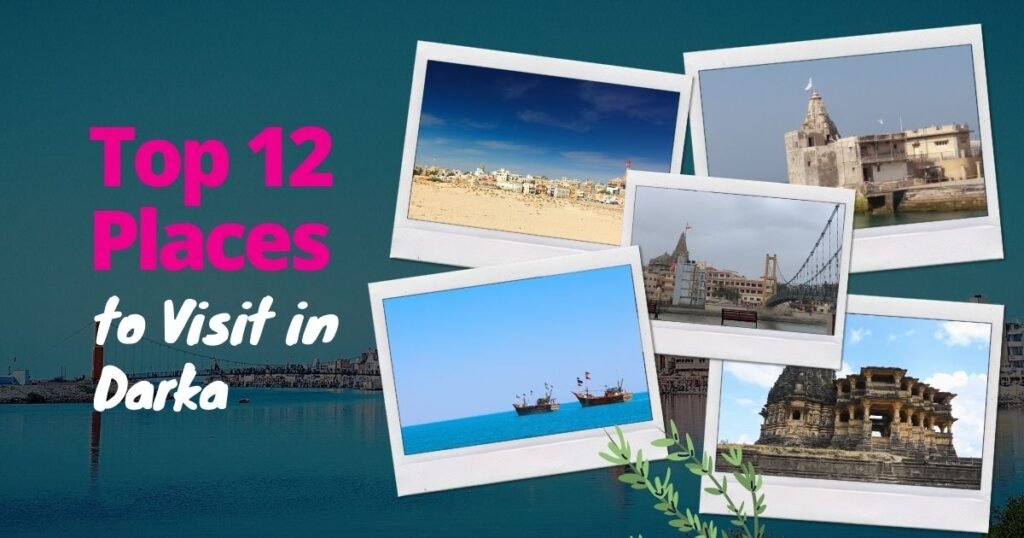
There’s a moment that often triggers this trip. Someone mentions Dwarka in a conversation. Another person talks about Gir lions. Suddenly, the question comes up over tea or coffee: can pilgrimage and wildlife really fit into one journey without feeling mismatched or rushed?
In my experience, a Dwarka Gir Tour Package works beautifully when it’s paced with realism. Gujarat has a way of balancing devotion and nature without forcing either. One day you’re standing barefoot before Krishna’s Dwarkadhish temple, the next you’re sitting quietly in a forest, listening for movement you can’t control. It’s not about contrast. It’s about rhythm.
This guide explains how a Dwarka Gir Somnath travel package actually feels on the ground, what to expect from temples and safaris, and how to plan the journey so it feels complete rather than scattered.
About the Dwarka–Gir Journey
This route isn’t flashy.
It’s grounded.
Dwarka pulls you inward. Gir pushes your attention outward. Together, they create a journey that feels balanced, especially for travellers who want more than just temple hopping or sightseeing.
A Gujarat pilgrimage and wildlife tour like this isn’t about ticking places off a list. It’s about slowing down enough to let both spaces do what they’re meant to do. Dwarka offers stillness and faith. Gir demands patience and observation. Surprisingly, they complement each other very well.
A Brief History That Shapes the Route
Dwarka’s identity is inseparable from Lord Krishna. Ancient texts describe it as his golden city, reclaimed by the sea after his departure. Standing in Dwarka today, especially near the temple, you feel that layered sense of myth and continuity.
Gir, on the other hand, carries a different kind of history. Once spread across large parts of India, Asiatic lions now survive only here. The forest isn’t just a wildlife destination. It’s a conservation story, quietly unfolding every day.
Putting these together in one Dwarka Gir tour itinerary connects two forms of preservation—faith and nature.
Main Temples Covered in the Dwarka Gir Tour Package
This journey doesn’t overload you with temples.
It focuses on the ones that matter.
Dwarkadhish Temple
The heart of Dwarka. Darshan here isn’t hurried, but it’s structured. Entry lines move in waves. The aarti timing matters more than the clock. In my experience, early morning or evening darshan feels calmer than midday.
Nageshwar Jyotirlinga
One of the twelve Jyotirlingas of Lord Shiva. The space feels open, less congested, and grounding after Dwarka’s intensity.
Rukmini Devi Temple
Often overlooked, but important. It adds emotional context to the Dwarka story and usually feels quieter.
Somnath Temple (If Included)
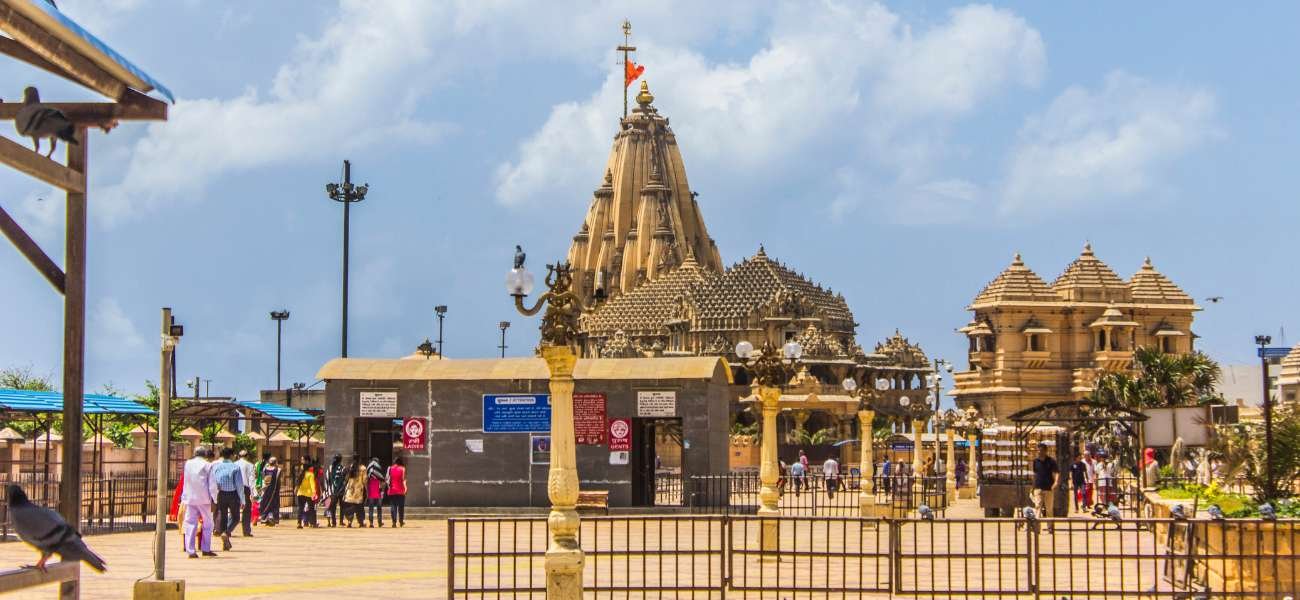
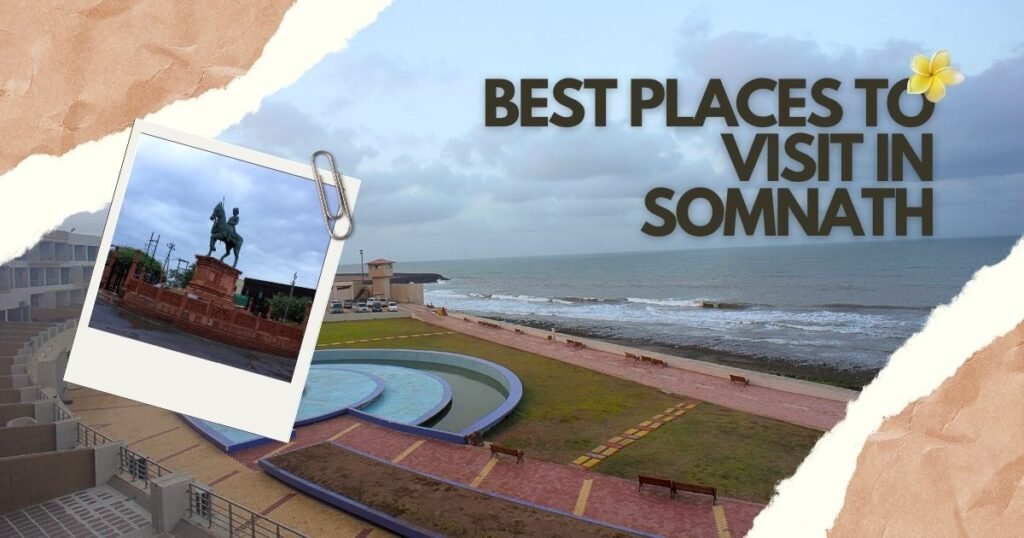
Standing by the sea, Somnath carries a sense of endurance. Evening aarti here feels reflective, not dramatic.
Local Guide Tip: Don’t plan temples back-to-back without breaks. Gujarat heat and walking distances add up faster than expected.
Gir Wildlife Experience: What It’s Really Like
Gir isn’t a zoo.
That matters.
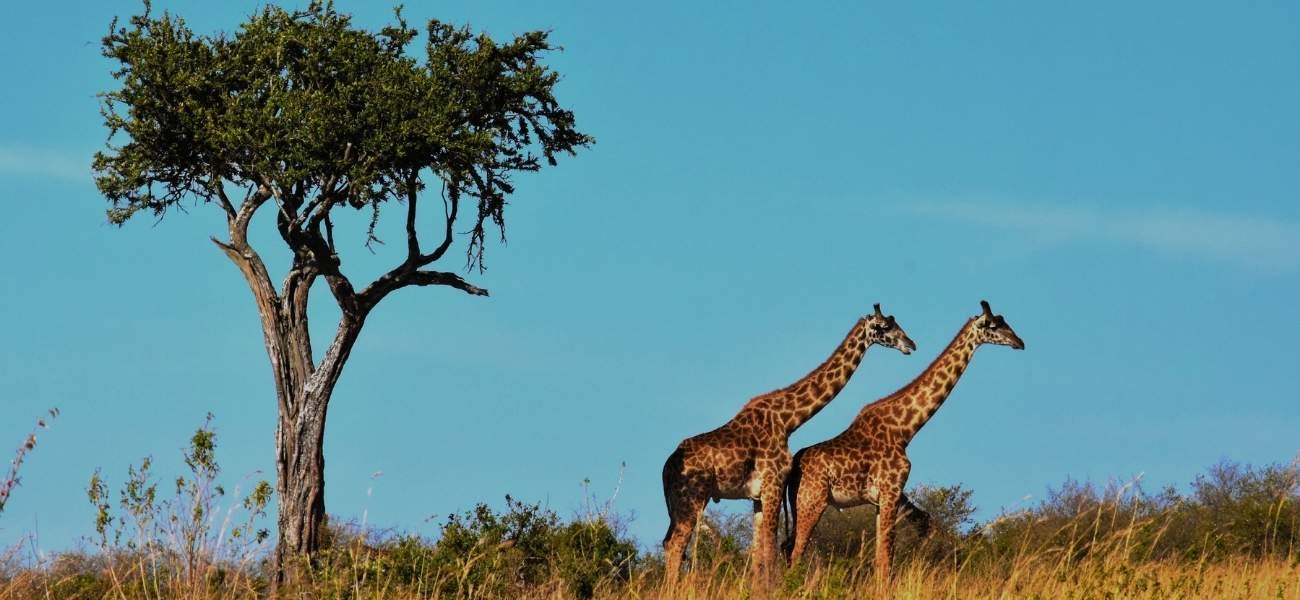
Safaris are time-bound and strictly regulated. You might see lions. You might not. And that uncertainty is part of the experience.
Morning safaris often feel cooler and quieter. Afternoon ones can be warmer but still rewarding. Vehicles move slowly. Guides speak softly. Silence becomes part of the ritual.
For many travellers on a Dwarka Gir Tour Package, this is the moment where the trip shifts gears—from devotion to awareness.
Local Guide Tip: Wear neutral colours and avoid strong perfumes. Forests respond better to subtlety.
Best Time to Visit Dwarka and Gir
Timing changes everything on this route.
- October to March: Best overall window. Pleasant weather for temples and safaris.
- April to June: Gir safaris possible but hot. Temple visits need careful pacing.
- Monsoon: Gir remains closed. Dwarka still works, but wildlife part pauses.
If Gir is a priority, always check forest opening dates before confirming travel.
Festival Celebrations Worth Knowing About
Festivals add energy, but also crowds.
- Janmashtami (Dwarka): Deeply devotional, extremely busy.
- Mahashivratri (Somnath/Nageshwar): Powerful atmosphere, long queues.
- Kartika Purnima: Calmer, spiritually focused period.
Festival travel needs patience and buffer time. It can be rewarding, but not relaxing.
Nearest Places to See (How Destinations Connect)
- Dwarka to Bet Dwarka: Short ferry ride adds mythological context.
- Dwarka to Nageshwar: Easy half-day loop, best done early morning.
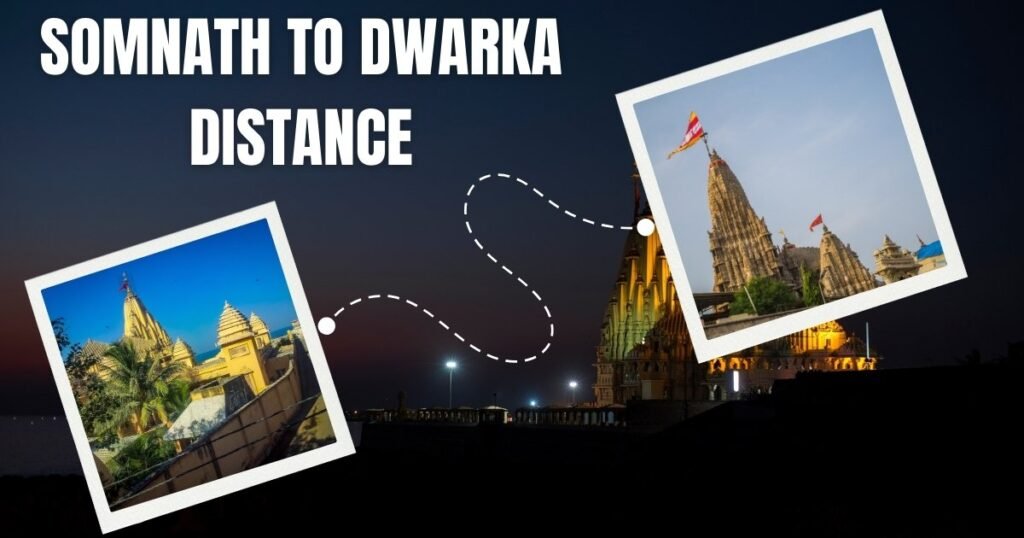
- Gir to Somnath: Smooth connection that blends wildlife and devotion.
The route works best when each place is allowed its own space in the itinerary.
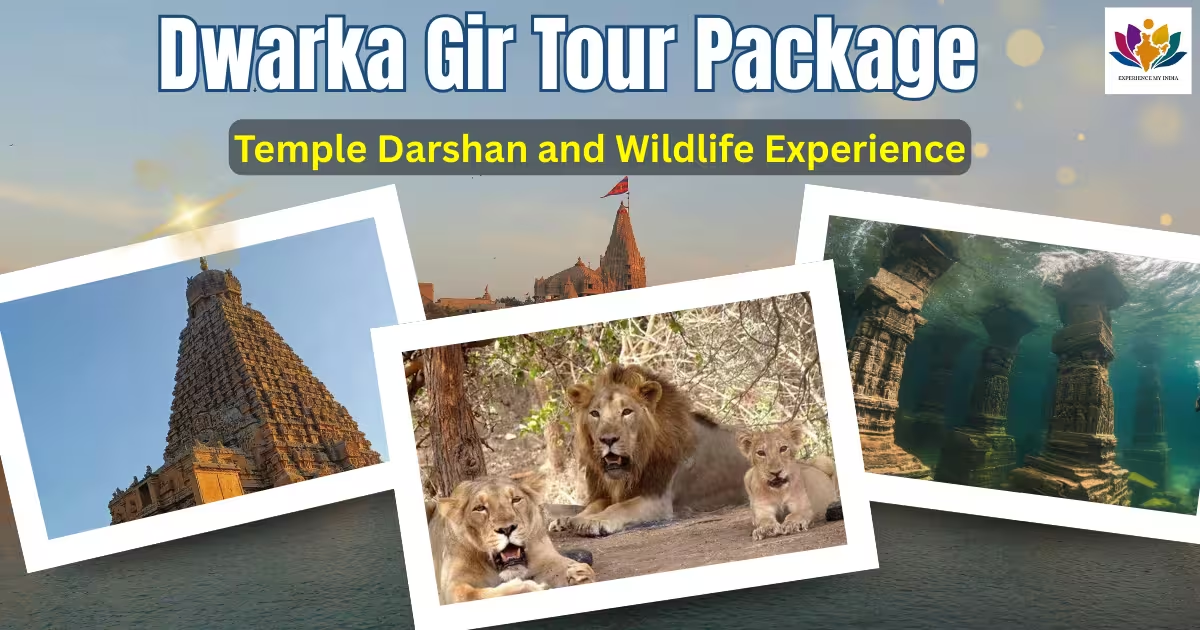
Why Somnath Dwarka Tour Package Works Well for This Route
This circuit fails when rushed.
It succeeds when paced.
Somnath Dwarka Tour Package focuses on realistic travel days, not overpacked schedules. As a planning support partner, the emphasis stays on temple timing awareness, safari coordination, and rest between long drives. That approach suits a mixed pilgrimage–wildlife journey far better than rigid plans.
Safety Tips for First-Time Travellers
- Carry original ID for temple entry and safari permits
- Dress modestly at temples, practical at Gir
- Stay hydrated, even in winter months
- Follow forest rules strictly during safaris
Local Guide Tip: Keep one day intentionally lighter. Fatigue reduces both darshan experience and safari awareness.
How to Reach Dwarka and Gir (Detailed & Practical)
🚗 By Road
- Well-connected highways within Gujarat
- Best for flexible movement between Dwarka, Somnath, and Gir
- Long drives, but scenic and manageable
🚆 By Train
- Dwarka and Somnath have railway stations
- Gir area accessed via Junagadh or Veraval
- Comfortable if you’re not in a hurry
✈️ By Air
- Nearest airports: Jamnagar (Dwarka), Rajkot/Diu (Gir region)
- Reduces travel fatigue significantly
- Ideal for shorter itineraries
For a smooth Dwarka Gir Tour Package, a mix of flight and road travel works best.
FAQs: Dwarka Gir Tour Package
It can if too much is packed in. When planned properly with rest days and realistic driving hours, the journey feels balanced rather than tiring.
No. Gir is a natural habitat, not a controlled park. Sightings depend on timing, luck, and animal movement, which is part of the authentic experience.
Yes, with support. Early darshan slots, shorter safari routes, and comfortable vehicles make a noticeable difference for elders.
Five to six days work well. Anything shorter often feels compressed, especially when including safaris and temple visits.
It can be, if children are comfortable with long drives and early mornings. Gir safaris usually excite kids more than temples.
Clean, mid-range hotels near temples and forest gates are ideal. Proximity matters more than luxury.
Crowds peak during festivals and weekends. On regular days, darshan is structured but manageable with patience.
Light cotton clothes for temples, neutral and comfortable clothing for safaris. Footwear should be easy to remove.
Temples restrict photography inside sanctum areas. Gir safaris allow photography but follow guide instructions strictly.
This tour feels layered. Some moments are quiet, others intense. The reward comes from letting both devotion and nature unfold without forcing either.
Conclusion
A Dwarka Gir Tour Package isn’t about combining unrelated places. It’s about allowing two powerful experiences to balance each other. One asks you to bow. The other asks you to wait.
Somnath Dwarka Tour Package is a Unit of Experience My India
Experience My India trip advisor review – Click Here
When paced well, this journey through Gujarat feels grounded, reflective, and surprisingly complete. You don’t come back with just memories. You return with a quieter mind—and that’s what stays longest.