There’s a moment many travellers hit when planning a Gujarat trip. You want temple darshan that feels meaningful, not rushed. At the same time, you don’t want every day to feel heavy and repetitive. Somewhere in that thinking, Gir Forest appears. And suddenly the idea changes.
A Dwarka Somnath Tour Package with Gir works because it balances two very different energies. One is deeply devotional. The other is raw, open, and quiet in a completely different way. In my experience, this mix suits pilgrims who also want breathing space, and nature lovers who don’t want to give up spiritual depth.
Let’s walk through what this journey actually feels like, not just how it looks on paper.
About the Dwarka Somnath Tour Package with Gir
At its core, this journey connects three powerful places in Gujarat. Dwarka anchors the spiritual beginning. Somnath brings reflection and closure. Gir, sitting in between, resets the mind.
What surprises many people is how naturally these places flow together. The highways are good. Distances are manageable. And the shift from temple bells to forest silence doesn’t feel abrupt. It feels earned.
This tour suits different travellers for different reasons. Pilgrims appreciate the pacing. Families enjoy the variety. Nature lovers often find Gir becomes the most memorable part, even if it wasn’t the original reason for booking.
Temples That Shape the Journey
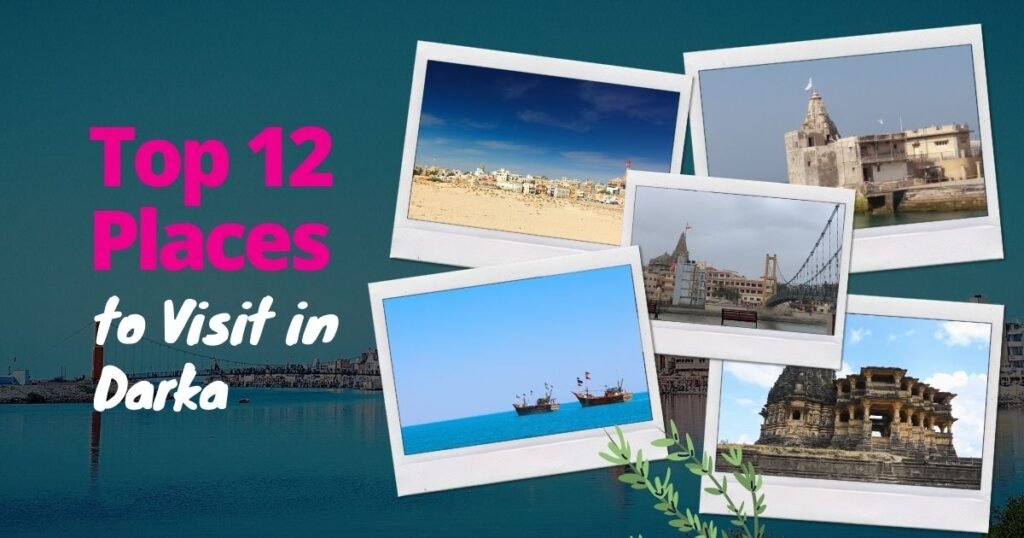
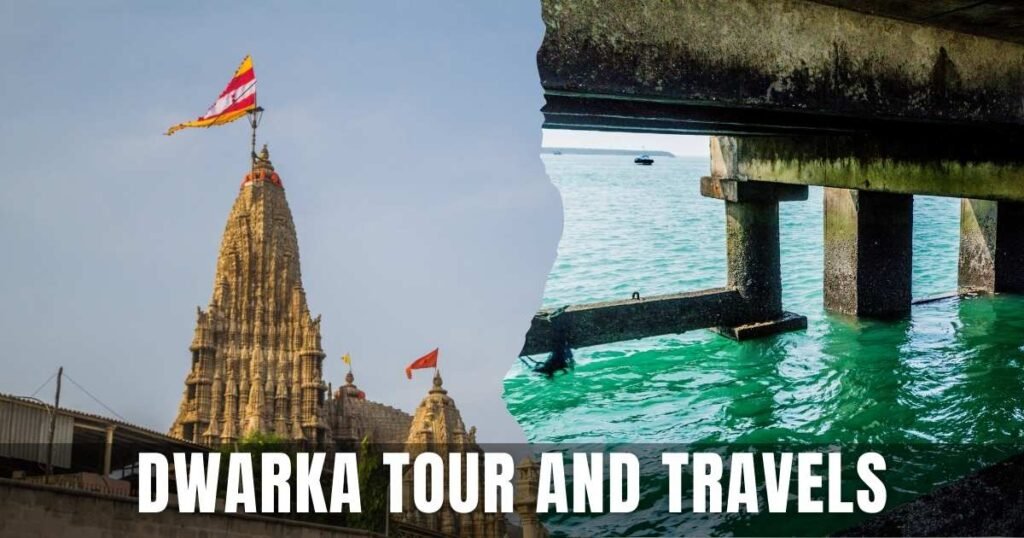
Dwarkadhish Temple, Dwarka
Dwarka doesn’t rush you. The town wakes early, temples open before sunrise, and darshan happens in waves. Standing in the queue, you hear chants drifting in from every direction. It’s busy, yes. But it’s also organised.
In my experience, early morning darshan works best here. The energy feels calmer, and the town hasn’t fully filled yet.
Local Guide Tip: Attend the morning aarti if possible. Evening aarti is beautiful too, but crowds double.
Nageshwar Jyotirlinga
This temple sits outside Dwarka and feels very different from the main town. Open surroundings. Fewer crowds. A slower rhythm. It’s often the place where travellers feel the spiritual weight settle in quietly.
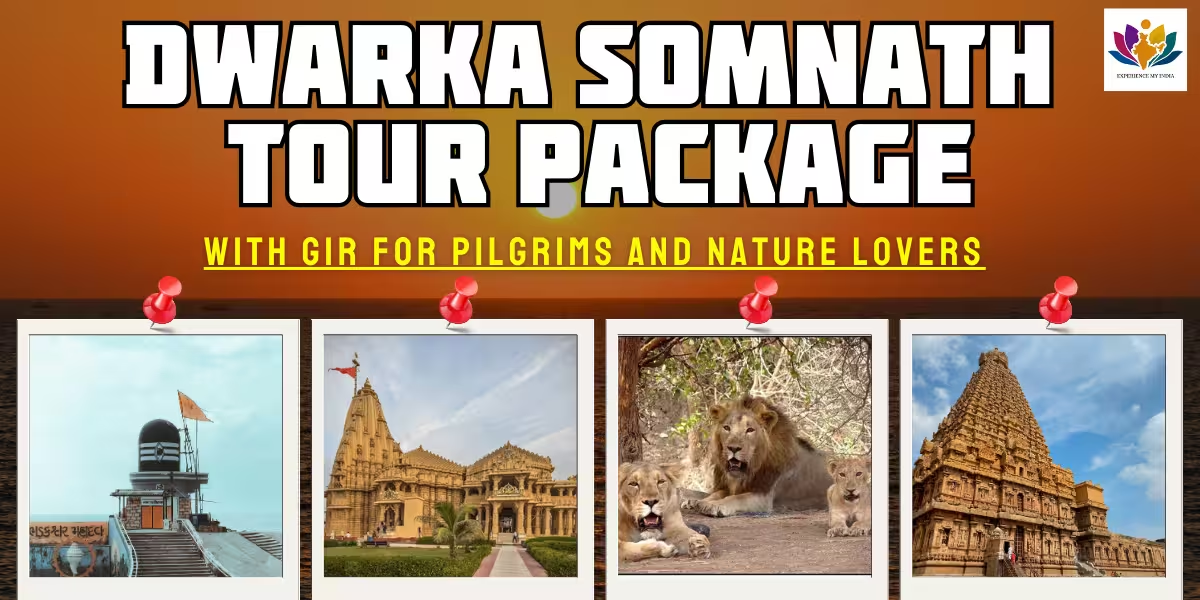
Somnath Temple
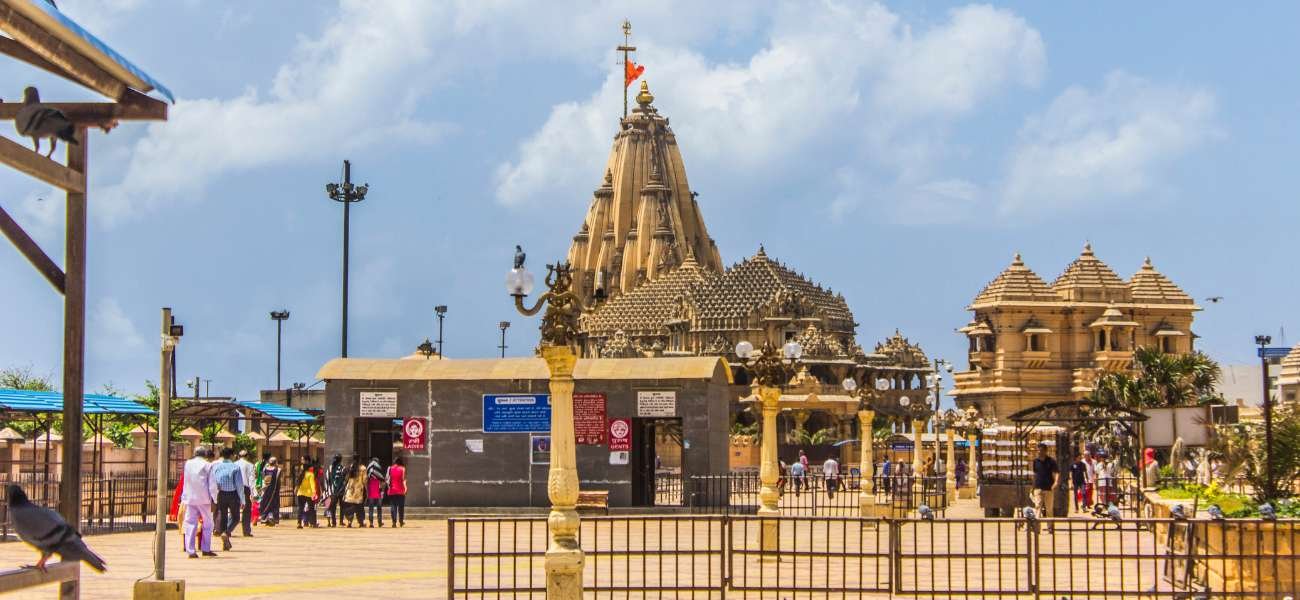
Somnath isn’t just about darshan. It’s about location. The temple stands facing the Arabian Sea, and that matters.
You hear waves while standing inside the complex. During evening aarti, the light fades, the sea darkens, and the chants carry further than expected. Many people don’t speak much after leaving the temple. That silence stays with you.
Local Guide Tip: Stay for the light and sound show only if you have the energy. Some travellers prefer walking by the sea instead. Both are valid.
Gir Forest: The Unexpected Reset
Gir changes the pace completely.
After days of temples, schedules, and structured darshan, the forest slows everything down. Safari timings are fixed. Phones go quiet. Conversations soften.
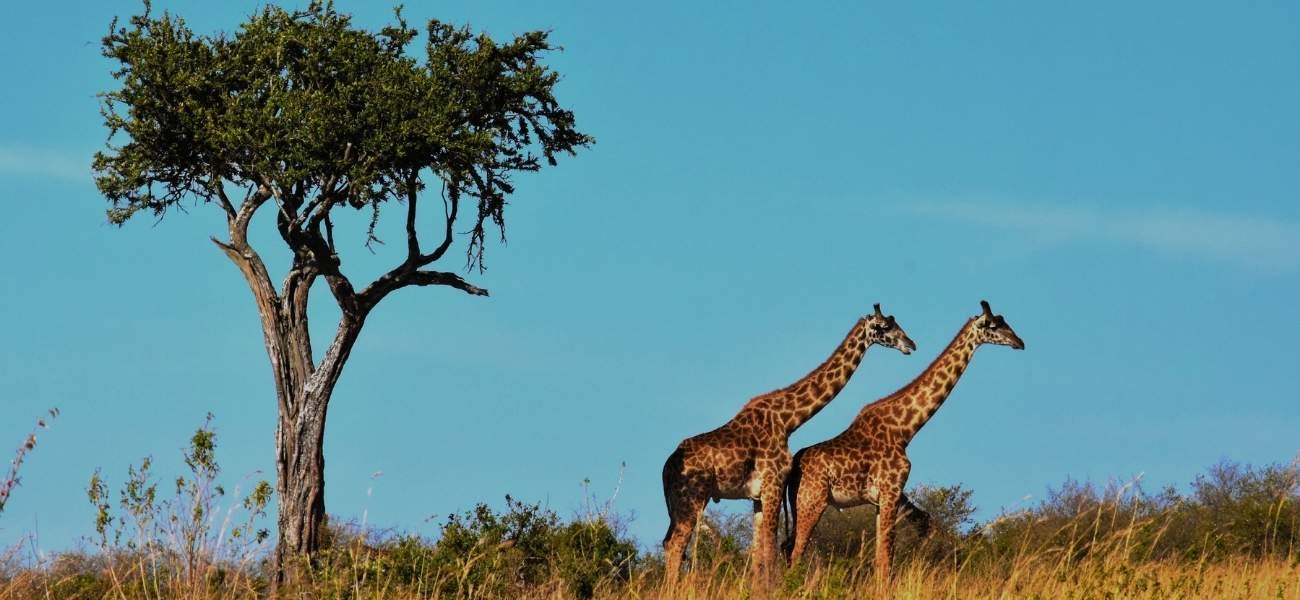
You might see lions. You might not. That uncertainty is part of the experience. In my experience, people who arrive expecting a zoo often feel disappointed. Those who come open-minded usually leave impressed.
Gir isn’t just about wildlife. It’s about space. Open roads. Long silences. Early mornings that feel different from temple mornings, but equally grounding.
Local Guide Tip: Choose early morning safari slots. Wildlife movement is higher, and the forest feels alive in a subtle way.
Festival Celebrations Worth Knowing About
Gujarat’s festivals don’t always follow tourist expectations. They’re rooted in ritual, not performance.
- Janmashtami in Dwarka: Intense devotion, heavy crowds, strong spiritual atmosphere. Best for experienced pilgrims.
- Mahashivratri in Somnath: Long darshan hours, night rituals, and deep chanting. Powerful but tiring.
- Navratri acros Gujarat: A cultural contrast. Garba nights, community gatherings, and vibrant energy.
- Monsoon season near Gir: Not a festival, but a seasonal shift. Forest feels lush, but safaris may be restricted.
If your travel dates overlap with festivals, plan extra buffer time. Temple schedules often stretch unpredictably.
Sightseeing That Connects the Route
This route isn’t about ticking off dozens of stops. It’s about a few meaningful pauses.
- Beyt Dwarka: Ferry crossing adds a sense of pilgrimage. Not rushed. Slightly unpredictable. Worth it.
- Rukmini Temple: Quiet, spacious, and often overlooked. A good break from Dwarka crowds.
- Bhalka Tirth near Somnath: Emotionally significant. Calm. Reflective.
- Gir Interpretation Zones: Helpful for understanding the forest beyond the safari ride.
Surprisingly, travellers who leave time for these smaller places often feel more satisfied than those chasing landmarks.
Safety Tips for a Smooth Journey
Temple-town travel and forest travel demand different kinds of awareness.
- Carry minimal belongings during temple visits. Security checks are frequent.
- Wear comfortable footwear. You’ll remove shoes often and walk more than expected.
- In Gir, follow safari rules strictly. Silence matters more than sightings.
- Hydration is key. Gujarat heat can sneak up on you.
- Respect local customs. Photography rules vary and change without notice.
Local Guide Tip: Keep one day light. Fatigue builds quietly on mixed spiritual-nature tours.
How to Reach Dwarka Somnath and Gir
By Car
- Best option for flexibility.
- Highways are well-maintained.
- Allows early departures for temple darshan and safaris.
- Long drives, but predictable.
By Train
- Dwarka and Somnath are well connected.
- Gir requires road transfers from nearby stations.
- Suitable for pilgrims comfortable with longer schedules.
And By Air
- Nearest major airport: Rajkot.
- From Rajkot, road travel connects all three locations.
- Best for shorter-duration travellers.
In my experience, car-based itineraries work best for this circuit. Timing control makes a big difference.
Planning Support Partner
A journey like this looks simple on a map but becomes complex on the ground. Temple timings shift. Safari slots fill. Distances feel different once you’re actually travelling.
As a Planning Support Partner, Somnath Dwarka Tour Package focuses on realistic pacing. Not squeezing everything in. Not rushing sacred spaces. And not treating Gir like a quick add-on. That balanced approach suits both pilgrims and nature lovers, especially those travelling with family or elders.
FAQs – Dwarka Somnath Tour Package with Gir
This tour works best for travellers who want a balance between devotion and nature. Pilgrims who feel temple-only trips become physically tiring often enjoy the calm of Gir in between. Nature lovers who don’t want to miss India’s major Jyotirlingas also find this combination meaningful. In my experience, families and senior travellers appreciate the variety and pacing the most.
Yes, Gir is suitable if expectations are clear. Safari vehicles are regulated, guided, and not physically demanding. However, early morning safaris can feel cold or slightly bumpy, so basic fitness helps. Many older travellers enjoy Gir more as a peaceful forest experience rather than focusing only on lion sightings.
Ideally, 6 to 7 days allow the journey to feel relaxed rather than rushed. Dwarka and Somnath each need at least one full day for darshan and rest. Gir requires an overnight stay to accommodate safari timings. Shorter trips are possible, but they often feel tight and tiring.
Most travellers choose clean, mid-range hotels close to temple areas and forest zones. Luxury options are limited in temple towns but improving gradually. Near Gir, forest-style resorts and lodges are common and comfortable. In my experience, proximity to temples matters more than hotel star ratings on this circuit.
Crowds vary by season and festival. Weekends, holidays, and major festivals like Mahashivratri or Janmashtami see heavy queues. On regular weekdays, darshan is manageable with early morning visits. Planning darshan timing properly often matters more than choosing VIP options.
October to March is considered the best period due to pleasant weather and open safari seasons. Summers can be very hot, especially in Dwarka and Somnath, though temples remain accessible. Monsoon months bring greenery but may affect safari availability. Winter months offer the most balanced experience overall.
Yes, the circuit is well connected by train and road. Dwarka and Somnath have railway stations, and Gir is accessible by road from nearby towns. However, train schedules may increase travel time. Travellers with limited days often prefer flights to Rajkot combined with road travel.
Photography is restricted inside most temple premises, especially near sanctums. Rules are enforced strictly, and phones may need to be deposited. In Gir, photography is allowed during safaris but only with permitted cameras and without disturbing wildlife. Drones are strictly prohibited in both areas.
Temple towns mainly offer vegetarian food, often simple and sattvic. Gujarati thalis are common and filling. Near Gir, resorts usually serve a wider variety, including North Indian options. Travellers with dietary restrictions should inform planners in advance to avoid inconvenience.
Surprisingly, many travellers feel the opposite. Gir provides mental rest between intense temple visits, allowing reflection rather than fatigue. The forest experience doesn’t distract from devotion; it often deepens it. In my experience, travellers return feeling more balanced, not less spiritual.
Conclusion
A Dwarka Somnath Tour Package with Gir isn’t about choosing between devotion and discovery. It’s about letting both coexist.
You begin with prayer. You end with reflection. Somewhere in the middle, the forest quiets your mind in ways temples don’t always manage alone. In my experience, that combination stays with travellers longer than either experience on its own.
Somnath Dwarka Tour Package is a Unit of Experience My India
Experience My India trip advisor review – Click Here
This isn’t a loud journey. It doesn’t need to be. It’s steady, layered, and deeply satisfying when paced right.