There’s usually a quiet moment before someone plans a dwarka somnath trip.
Not excitement. Not urgency. Just a pause.
Maybe it happens while scrolling late at night. Maybe after hearing a parent talk about a long-pending vow. Or maybe when life feels crowded and noisy, and you feel drawn toward places that have stood still through centuries of noise.
Dwarka and Somnath don’t call you loudly. They wait. And when you finally decide to go, it rarely feels like a vacation decision. It feels more like agreeing to something that was already decided somewhere inside you.
This is not a rushed guide. It’s a simple, real way to understand the journey—how it flows, what it feels like, and why people return quieter than they left.
Understanding the Places Before the Journey Begins
A dwarka somnath trip is not about distance. It’s about direction.
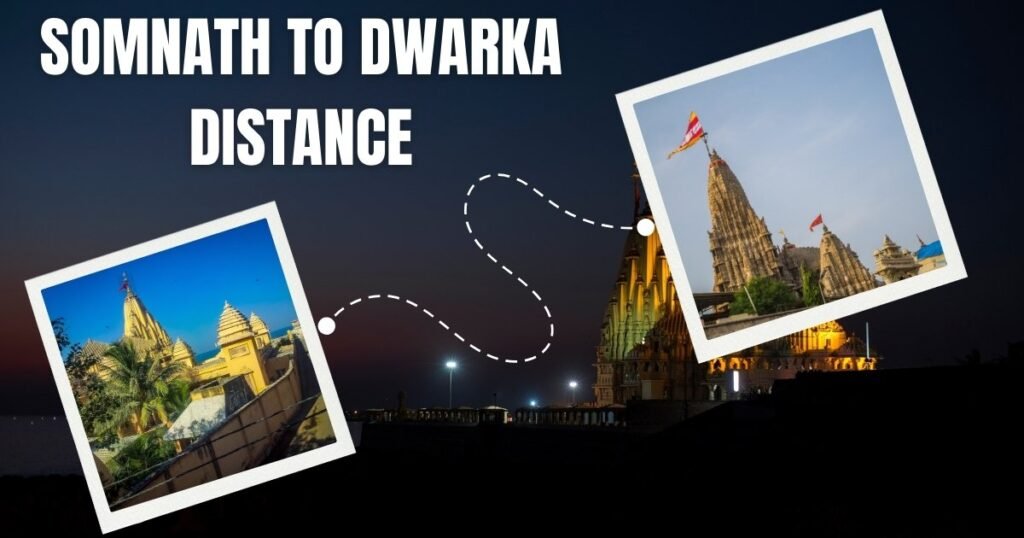
Dwarka sits on the western edge of Gujarat, facing the Arabian Sea, carrying the weight of belief that this was the kingdom of Krishna. Somnath stands further down the coast, known as the first Jyotirlinga of Shiva, rebuilt again and again after destruction. One place speaks of divine presence. The other speaks of endurance.
Together, they form the heart of a Dwarka Somnath pilgrimage tour—not because they are close on a map, but because they balance each other. One is calm and expansive. The other is intense and resolute.
People often underestimate how different these two places feel. Dwarka opens you up. Somnath grounds you.
A Simple Way to Think About the Dwarka Somnath Travel Itinerary
Instead of packing too much into each day, a good dwarka somnath travel itinerary respects your energy.
Most travelers begin with Dwarka and end at Somnath. It allows the journey to move from stillness to strength, from reflection to resolve.
The idea is not to “cover” temples, but to let each place settle into you before moving on.
Dwarka: Where the Journey Softens
Dwarka doesn’t rush you. Even the sea there seems patient.
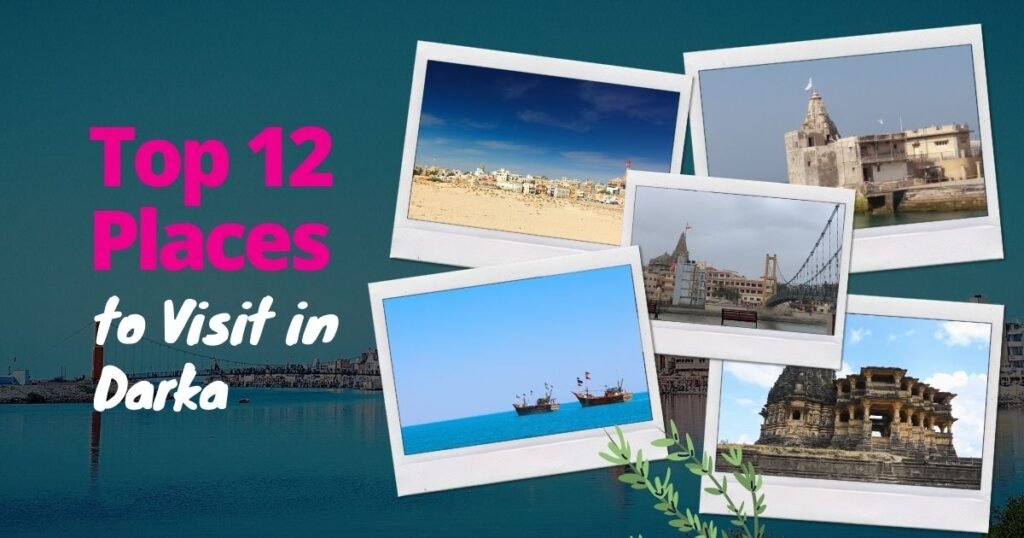
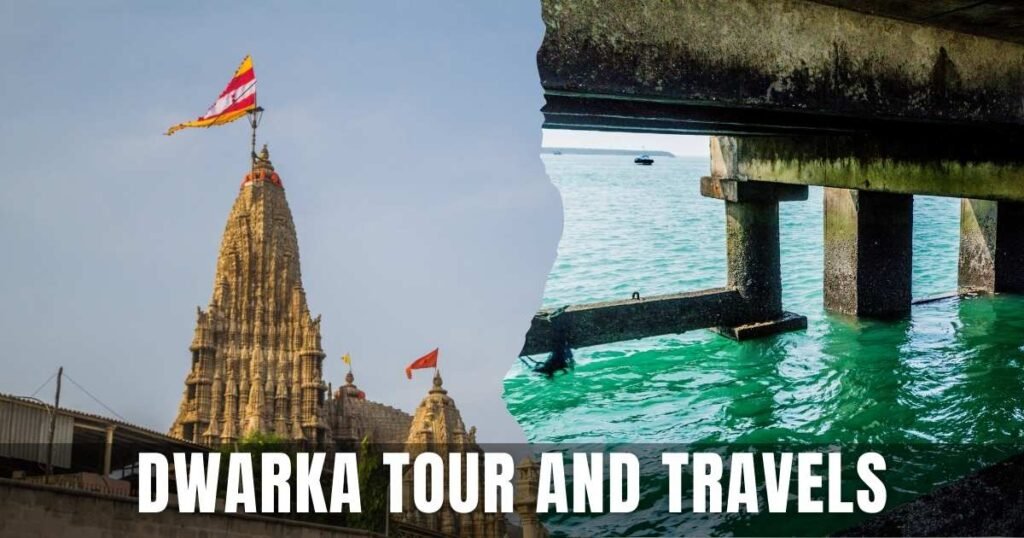
The Dwarkadhish Temple is the emotional center of the town. Visiting early morning feels different from visiting in the afternoon. At dawn, the chants feel personal. By evening, they feel collective. Standing there, you realize why a Dwarka Somnath temple tour often begins here—it prepares the mind.
Nearby, the Gomti Ghat invites a slower pace. People sit, not because they are tired, but because sitting feels right. Boats move gently. Conversations are low. No one is trying to extract meaning. It arrives on its own.
Bet Dwarka, reachable by a short boat ride, adds another layer. The temple is quiet, almost restrained. Many people don’t talk much after returning. That silence is part of the experience.
Things to Do in Dwarka Beyond the Temple
What people often don’t notice is how Dwarka teaches restraint.
Walking through small lanes. Eating simple meals. Watching locals close shops during aarti. These aren’t activities, but they shape how you experience the place.
The coast near Dwarka is another quiet teacher. Sitting by the sea reminds you that belief here has always lived beside nature, not above it.
By the time people leave Dwarka, they usually feel lighter. That’s important before moving on.
The Road From Dwarka to Somnath
The journey between the two cities matters more than people expect.
Driving through Gujarat’s changing landscapes—open fields, small towns, stretches of emptiness—gives your thoughts space. This is often where the dwarka somnath trip begins to feel personal.
Traveling by car allows pauses. Traveling by train offers reflection. Either way, the road acts as a transition. You’re leaving contemplation and moving toward confrontation—with history, with faith, with endurance.
Somnath: Where Strength Takes Shape
Somnath does not feel gentle. It feels steady.
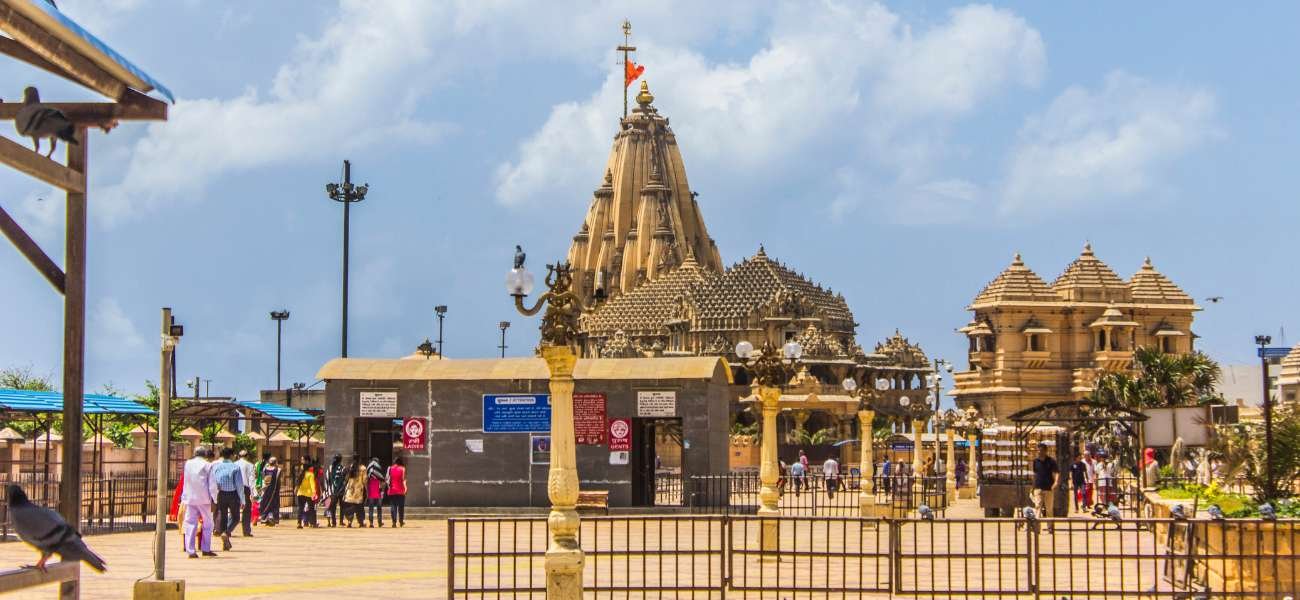
The Somnath Temple stands facing the sea, unapologetic. Knowing it has been rebuilt multiple times changes how you stand there. You don’t just pray. You acknowledge survival.
The evening aarti at Somnath feels different from Dwarka. It’s powerful. The sound of waves colliding with chants creates something that stays with you long after.
This is where many travelers feel emotional without fully understanding why. Somnath doesn’t explain itself. It lets you feel.
Things to Do in Somnath That Feel Meaningful
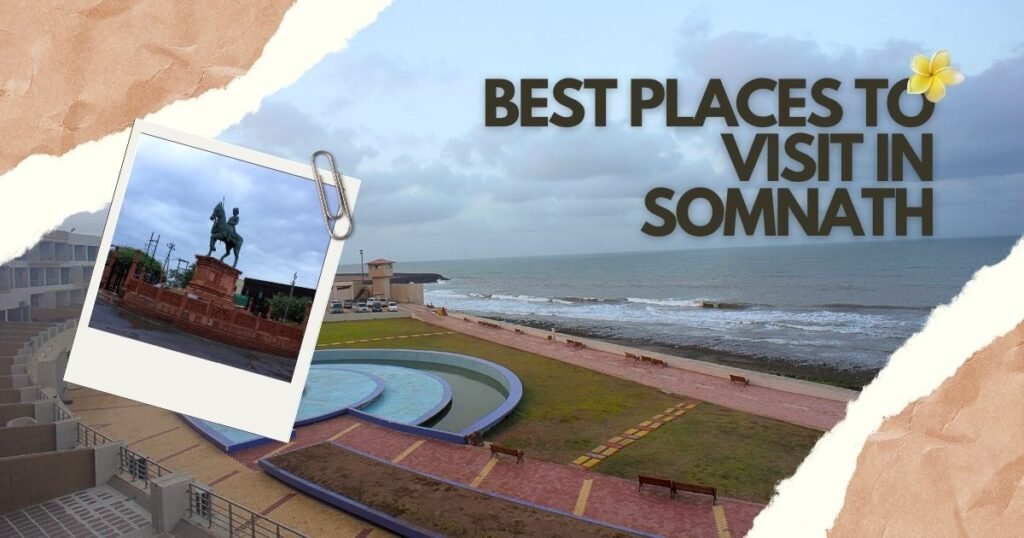
Beyond the temple, the coastline walk offers quiet strength. Watching the waves here feels like watching time itself—constant, repetitive, unbothered.
The light and sound show nearby tells the story of Somnath’s past. Some find it dramatic. Others find it grounding. Either way, it adds context that deepens the Dwarka Somnath pilgrimage tour.
Eating simple food nearby, walking slowly, and allowing silence to linger become part of the experience.
Best Time to Plan a Dwarka Somnath Trip
The best time to visit for a dwarka somnath trip is between October and March.
During these months, the weather allows you to walk, wait, and sit without discomfort. Summers can be harsh, especially in Somnath, where heat reflects off stone and sea. Monsoon brings beauty but can interrupt plans.
Choosing the right season matters here. These places ask for patience. Climate decides how much patience you have.

How to Reach Dwarka and Somnath
Reaching these places is simpler than many assume.
By Train:
Dwarka and Somnath are both well-connected by rail. Many travelers prefer this option because it allows rest and reflection.
By Car:
Driving offers flexibility and is ideal if you want to follow a relaxed dwarka somnath travel itinerary with stops in between.
By Air:
The nearest major airport is Rajkot. From there, road or rail journeys complete the trip comfortably.
The route matters less than the intention. Both cities receive travelers who arrive tired but leave composed.
Temples Beyond the Main Shrines
A Dwarka Somnath temple tour is incomplete if rushed.
Smaller temples around Dwarka and Somnath carry quieter energy. They don’t attract crowds, but they offer moments of personal connection. Sitting there often feels more intimate than standing in grand halls.
These spaces remind you that devotion doesn’t need scale.
Why This Journey Stays With People
People return from a dwarka somnath trip changed in small ways. They speak less. They listen more. And they feel less urgency to explain their experience.
This journey doesn’t promise transformation. It offers perspective.
That’s why Somnath Dwarka Tour Package often treats this route not as a checklist tour, but as a paced, thoughtful journey—one that respects both the places and the people visiting them.
FAQs About Dwarka Somnath Trip
1. How many days are ideal for a dwarka somnath trip
Four to five days allow enough time without rushing either destination.
2. Is this trip suitable for older travelers
Yes, with proper pacing and comfortable transport, it suits all age groups.
3. Can Dwarka and Somnath be covered in one day
Technically yes, but it removes the emotional depth of the journey.
4. What is the best season for a Dwarka Somnath pilgrimage tour
October to March is most comfortable for travel and darshan.
5. Are there accommodation options near temples
Yes, both cities offer stays close to temple areas.
6. Is advance booking needed for temple darshan
Usually not mandatory, but planning helps during peak seasons.
7. Can the trip be done by train only
Yes, trains connect both destinations conveniently.
8. What should one wear during temple visits
Simple, respectful clothing is advised.
9. Is photography allowed inside temples
No, photography is restricted inside main temple premises.
10. Who should consider this journey
Anyone seeking calm, clarity, or a meaningful pause in life.