This question doesn’t come casually.
When someone asks, “How many days are ideal for a Dwarka Somnath trip?” there’s usually a pause after it. A hesitation. Almost like they already know the answer isn’t going to be a simple number.
Because Dwarka and Somnath aren’t places you just visit. They are places that slowly work on you. They demand time, not because the distance is long, but because the emotions tied to them are.
I’ve seen people arrive with strict schedules and leave exhausted. And I’ve seen others arrive with flexible days and leave quieter, calmer, and strangely lighter. The difference wasn’t budget or luxury. It was time.
So let’s talk about this honestly. Without rushing to conclusions.
Why Dwarka and Somnath Should Never Be Rushed Together
Before counting days, you need to understand what these two places represent.
Dwarka is associated with Lord Krishna’s later life—responsibility, leadership, detachment, and finally departure. It’s a place where stories feel complete. Where answers feel settled.
Somnath, on the other hand, belongs to Lord Shiva—time, destruction, rebirth, and resilience. The sea-facing Somnath Temple stands as a reminder that faith survives even repeated destruction.
When you combine these two, the journey becomes more than geographical. It becomes emotional.
That is why a Dwarka Somnath pilgrimage tour needs space. If you rush it, you’ll still see the temples. But you’ll miss the silence between them—and that silence is where the meaning lives.
A Short History That Explains Why Time Matters Here
Somnath: Faith That Refused to End
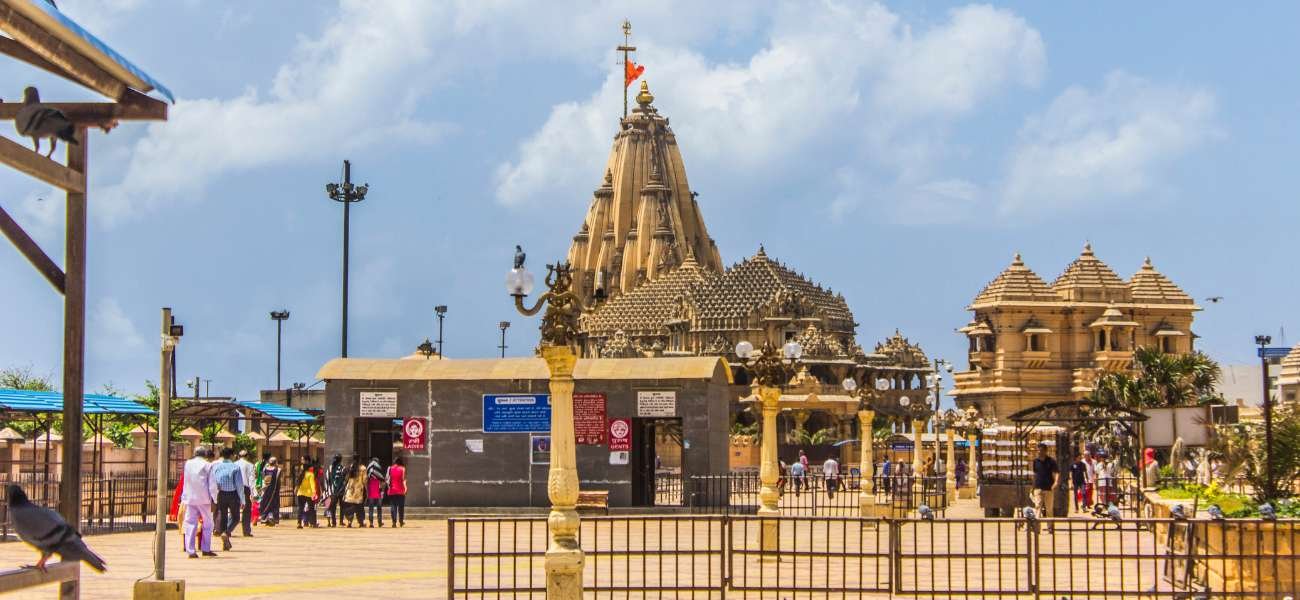
Somnath is one of the twelve Jyotirlingas of Shiva. It has been destroyed and rebuilt multiple times across centuries. Each time, devotees rebuilt it—not to prove strength, but to continue belief.
Standing here, especially during evening aarti, you feel something heavier than architecture. You feel endurance. That feeling doesn’t arrive in five minutes. It settles slowly.
Dwarka: Krishna’s City and the Meaning of Completion
Dwarka is believed to be the kingdom Krishna ruled after leaving Mathura. The Dwarkadhish Temple doesn’t overwhelm with size. It draws you in with calm.
Dwarka represents the phase of life where things are understood rather than questioned. That reflection needs time. Rushing Dwarka makes it feel ordinary. Giving it space makes it personal.
This contrast is exactly why a Dwarka Somnath travel itinerary should never be compressed without thought.
So, How Many Days Are Actually Ideal?
Let’s stop avoiding the real question.
Can a Dwarka Somnath Trip Be Done in 2 Days?
Yes. Technically.
But here’s the honest version.
A two-day Dwarka Somnath temple tour usually looks like this:
- Day 1: Long travel, quick darshan, overnight movement
- Day 2: Second darshan, return journey
You will:
- See both temples
- Spend more time travelling than sitting
- Feel physically tired
- Remember queues more than moments
This option only works if:
- You have severe time limitations
- You are comfortable with long, tiring days
For most people, this feels incomplete.
Is 3 Days a Good Balance?
For many travellers, 3 days is the minimum comfortable choice.
Here’s why a three-day Dwarka Somnath trip works better:
- One full day for Somnath
- One travel day between the two
- One full day for Dwarka
You’re not constantly checking the clock. You can attend aarti without anxiety. You can rest between darshans.
This is often the format quietly suggested by Somnath Dwarka Tour Package planners—not because it’s luxurious, but because it respects human energy.
Why 4–5 Days Is Actually Ideal
If you truly want the journey to settle inside you, 4 to 5 days is ideal.
This duration allows:
- Morning and evening darshan at both temples
- Time for nearby sacred places
- Physical rest, which people often underestimate
- Emotional absorption of the journey
At this pace, the trip stops feeling like travel and starts feeling like pilgrimage.
A Realistic 4–5 Day Dwarka Somnath Itinerary (Explained Clearly)
Day 1: Arrival in Somnath – Let the Place Introduce Itself
Arrive in Somnath by afternoon or early evening.
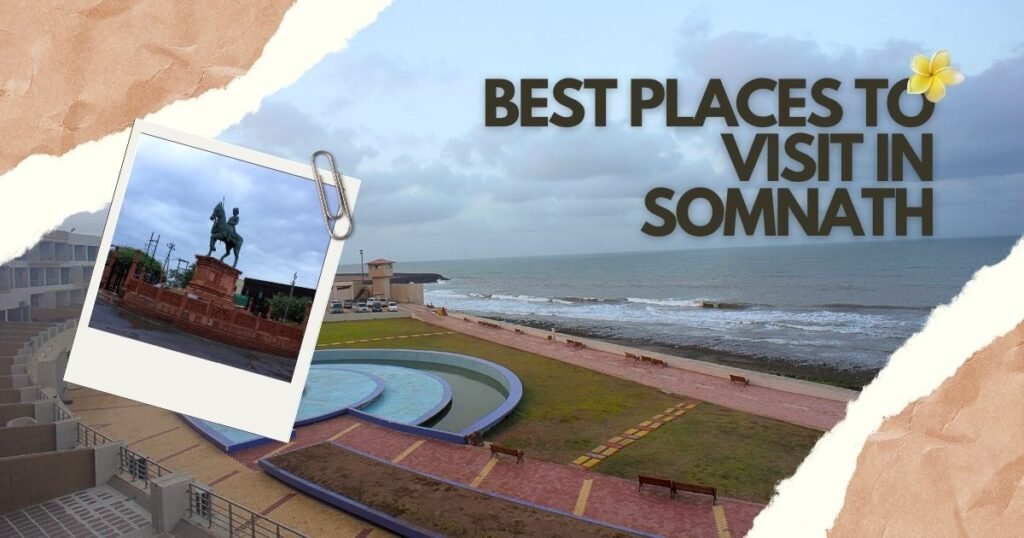
Don’t plan too much. Freshen up. Walk near the sea. Visit the temple during evening hours.
Somnath Temple Darshan & Aarti Timings
- Morning: 6:00 AM – 12:00 PM
- Evening: 4:00 PM – 9:00 PM
- Evening Aarti: – 7:00 PM
The sea breeze during evening aarti does something words struggle to explain.
Sleep early. The morning matters.
Day 2: Somnath Darshan and Nearby Sacred Sites
Start with early morning darshan. It’s calmer. Quieter.
Then visit:
- Bhalka Tirth – where Krishna’s earthly journey ended
- Triveni Sangam Somnath – peaceful and symbolic
These places deepen your understanding of Somnath beyond the main temple.
Post-lunch, rest. Evening can be slow and reflective.
Day 3: Travel from Somnath to Dwarka
The road journey itself is part of the experience. Coastal stretches, open skies, quiet towns.
Don’t rush this day. Reach Dwarka by evening. Take a calm walk near Gomti Ghat if energy allows.
Day 4: Dwarka Darshan and Temples
Begin early at Dwarka.
Dwarkadhish Temple Darshan & Aarti Timings
- Morning: 6:30 AM – 1:00 PM
- Evening: 5:00 PM – 9:30 PM
Crowds are common. Patience is essential.
Later, visit:
- Rukmini Devi Temple
- Gomti Ghat for a quiet evening
Dwarka evenings feel softer than mornings. Let them be.
Day 5 (Optional but Powerful): Bet Dwarka and Nageshwar
If you have one extra day, don’t skip this.
- Bet Dwarka – a ferry ride that feels symbolic
- Nageshwar Jyotirlinga
This day completes the emotional arc of the journey.
Best Time to Visit Dwarka Somnath
The best time to visit Somnath Dwarka is from October to March.
- Pleasant weather
- Easier walking
- Manageable darshan lines
Summers can be harsh. Monsoons are beautiful but unpredictable.
Festivals like Maha Shivratri and Janmashtami are spiritually powerful but logistically intense.
How to Reach Somnath and Dwarka (Practical Reality)
By Train
Both towns are connected, but travel time is long.
By Road
Most flexible and comfortable option for multi-day trips.
By Bus
Budget-friendly, but tiring.
By Air
Nearest airports are Rajkot and Diu, followed by road travel.
This is where careful routing—often managed smoothly through Somnath Dwarka Tour Package support—reduces stress without over-structuring the journey.
Common Mistakes People Make on This Trip
- They underestimate travel fatigue.
- They pack too many temples into one day.
- They ignore rest.
- They treat it like sightseeing, not pilgrimage.
Dwarka and Somnath don’t reward speed. They reward surrender.
FAQs
1. How many days are ideal for a Dwarka Somnath trip?
Ideally 4–5 days.
2. Is 3 days enough?
Yes, but with limited exploration.
3. Can it be done in 2 days?
Technically yes, emotionally rushed.
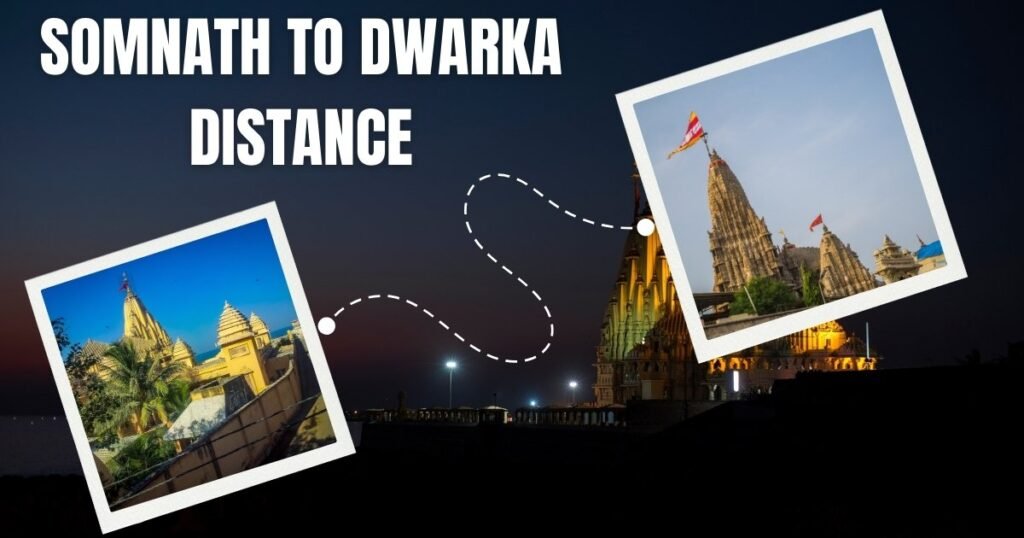
4. Distance between Somnath and Dwarka?
Around 230 km by road.
5. Best season to visit?
October to March.
6. Are darshan timings fixed?
They may vary during festivals.
7. Is Bet Dwarka worth visiting?
Yes, if you have an extra day.
8. Is the trip suitable for older citizens?
Yes, with proper pacing.
9. Is walking required?
Yes, especially near temples.
10. Should the trip be pre-planned?
Strongly recommended.
So, how many days are ideal for a Dwarka Somnath trip?
Enough days that you’re not thinking about return tickets during darshan. Enough days that silence starts to feel comfortable. For most people, that means giving the journey four or five days—and letting it change you quietly, without rushing to explain how.