The first thing I noticed on the road to Somnath wasn’t the temple.
It was the silence between towns.
Long stretches where the land felt open, almost emptied out, as if Gujarat wanted you to arrive lighter than you left. By the time the sea finally appeared near Somnath, the mind had already slowed down. That’s when it made sense why people don’t treat a Somnath and Dwarka Tour Package like a regular temple trip. This journey isn’t packed with constant movement. It’s spaced out. Deliberately.
If you rush it, you’ll see the temples.
If you pace it, you’ll feel them.
This guide is written for travellers who want to understand that difference.
About the Somnath and Dwarka Tour Package
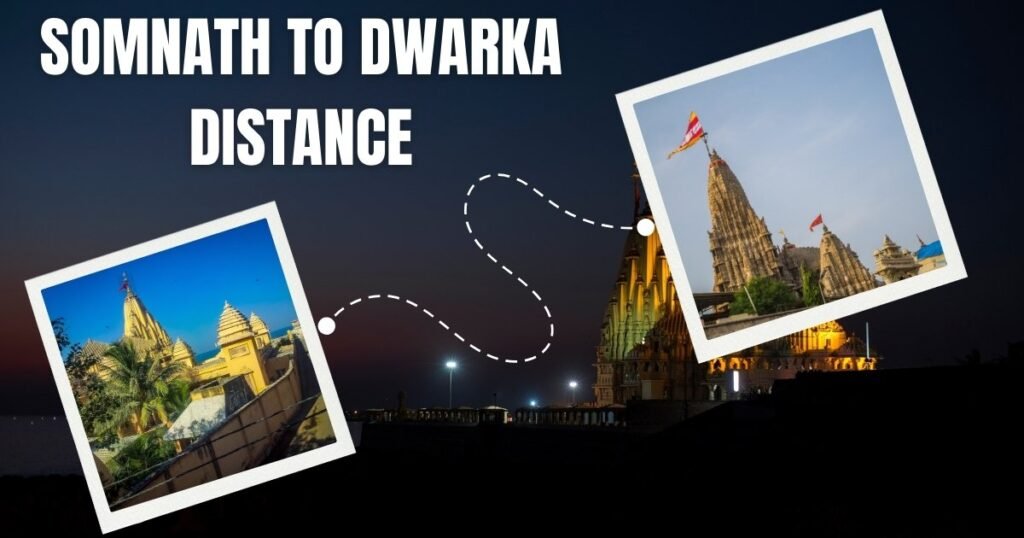
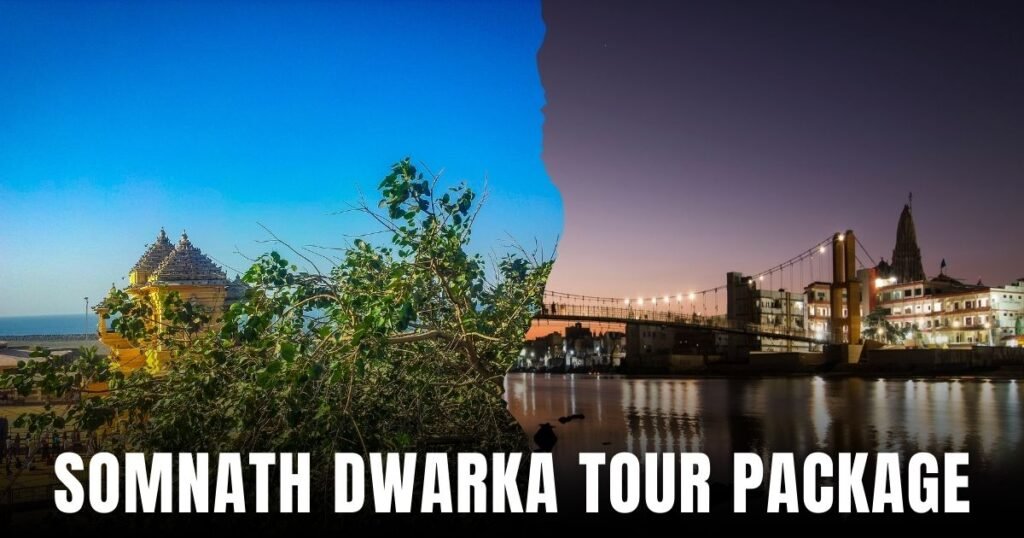
Somnath and Dwarka sit far apart geographically, but spiritually, they feel connected by restraint.
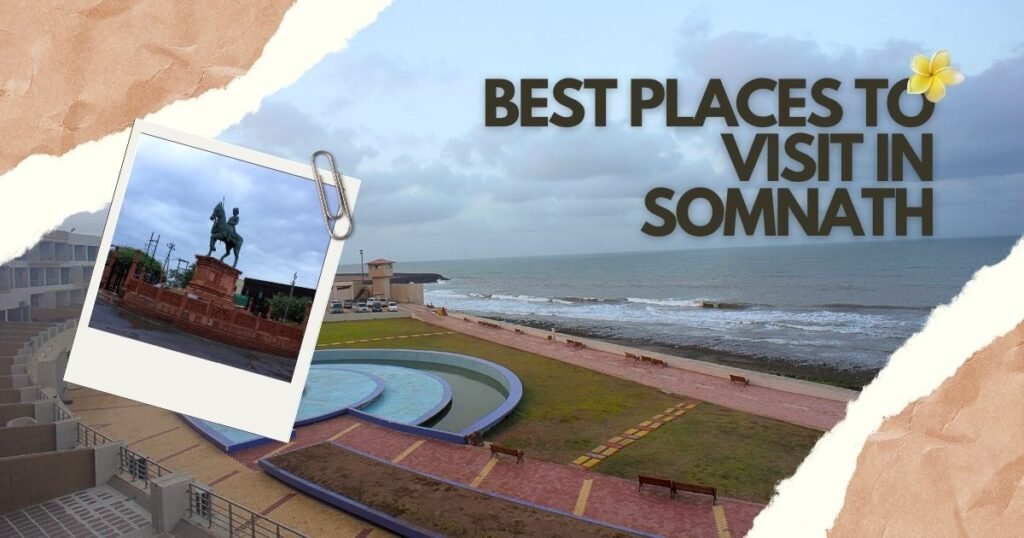
Somnath stands firm against the sea. It feels resolute. Grounded. Almost guarded. The waves never stop, and neither does the sense of endurance around the temple.
Dwarka feels more fluid. The wind is stronger. The streets open and close suddenly. Rituals feel woven into daily life rather than separated from it.
A well-planned Somnath Dwarka pilgrimage tour package doesn’t treat these as similar stops. It allows Somnath to steady you first, then lets Dwarka open things up.
Travellers who try to compress both into a rushed schedule often leave tired. Those who allow gaps between visits usually leave calmer.
History That Shapes the Journey
Somnath’s history is not subtle. It has been destroyed and rebuilt multiple times. Locals don’t narrate this dramatically. They mention it plainly, almost casually. As if resilience doesn’t need decoration.
Dwarka’s history moves differently. It’s tied to Krishna’s final chapter. The stories here feel quieter, layered into the city rather than announced by it.
What matters for travellers is not memorising timelines, but noticing how history influences behaviour. In Somnath, people stand still longer. In Dwarka, people move, circle, return.
History here isn’t something you read. It’s something you adjust to.
Rituals and Celebration – What to Expect
Daily rituals begin early in both towns.
In Somnath, mornings feel disciplined. Aartis follow timing closely. The temple space feels controlled, even during busy hours.
In Dwarka, rituals feel less contained. Bells, chants, conversations overlap. Temples blend into markets and lanes without clear boundaries.
Festivals like Mahashivratri in Somnath and Janmashtami in Dwarka change everything. Crowds swell. Routes shift. Waiting becomes part of worship.
Local Guide Tip:
During major festivals, plan only one main temple visit per day. Anything more usually feels forced.
Somnath Dwarka Temple Tour – Temples That Define the Route
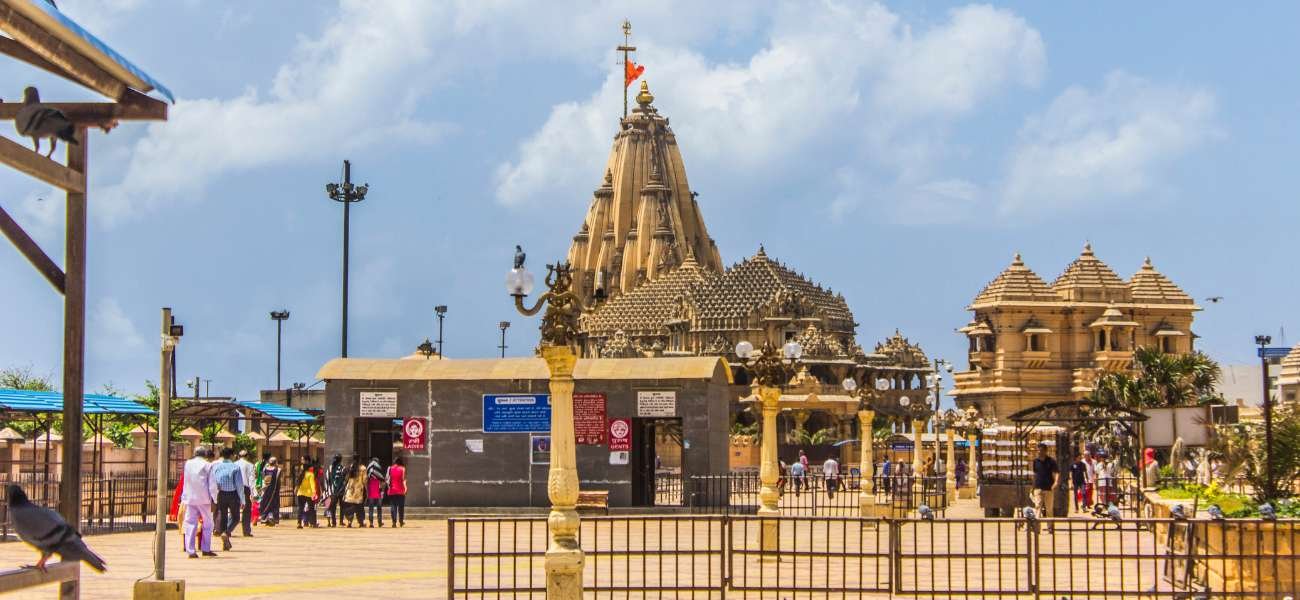
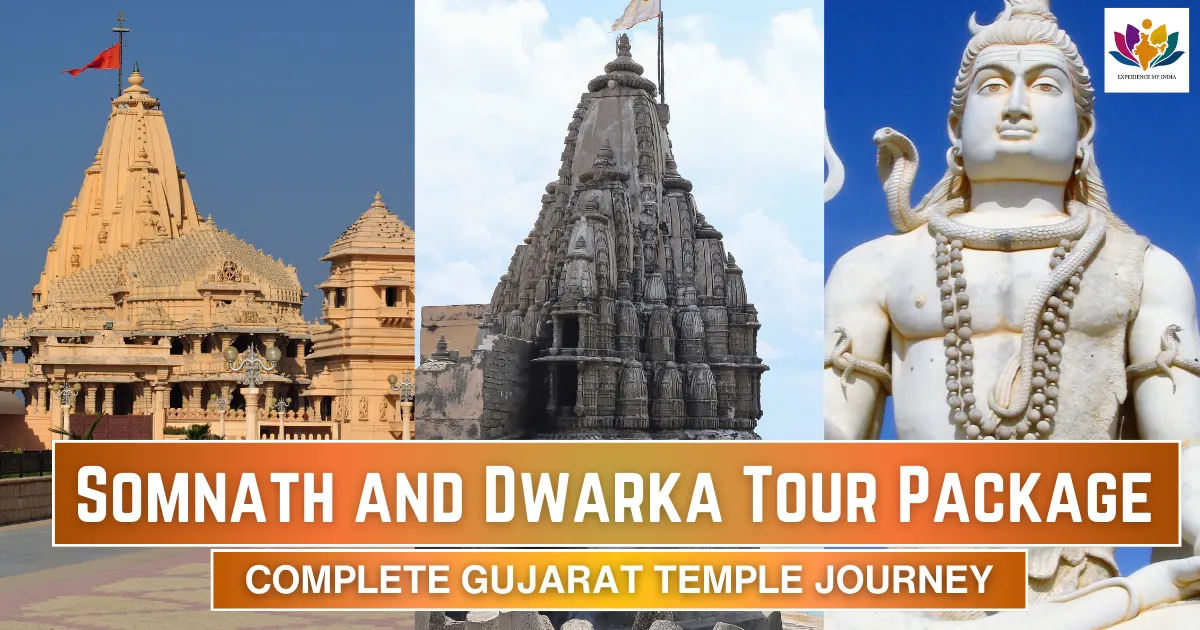
Somnath Temple
- Crowd level: High during mornings and evenings
- Best time: Early morning or post-sunset aarti
- Suitable for: Pilgrims, first-time visitors
The sound of waves never stops here. Even inside the temple complex, the sea feels present. Many people don’t realise how grounding this feels until they stand still for a few minutes.
Guide Tip:
Sit near the temple boundary facing the sea after darshan. That quiet often stays longer than the ritual itself.
Bhalka Tirth
- Crowd level: Low to moderate
- Best time: Mid-morning
- Suitable for: Reflective travellers
This is where Krishna is believed to have left his earthly form. The atmosphere is subdued. People speak softly here, even in groups.
Dwarkadhish Temple
- Crowd level: Heavy during aarti times
- Best time: Morning darshan
- Suitable for: Devotees comfortable with crowds
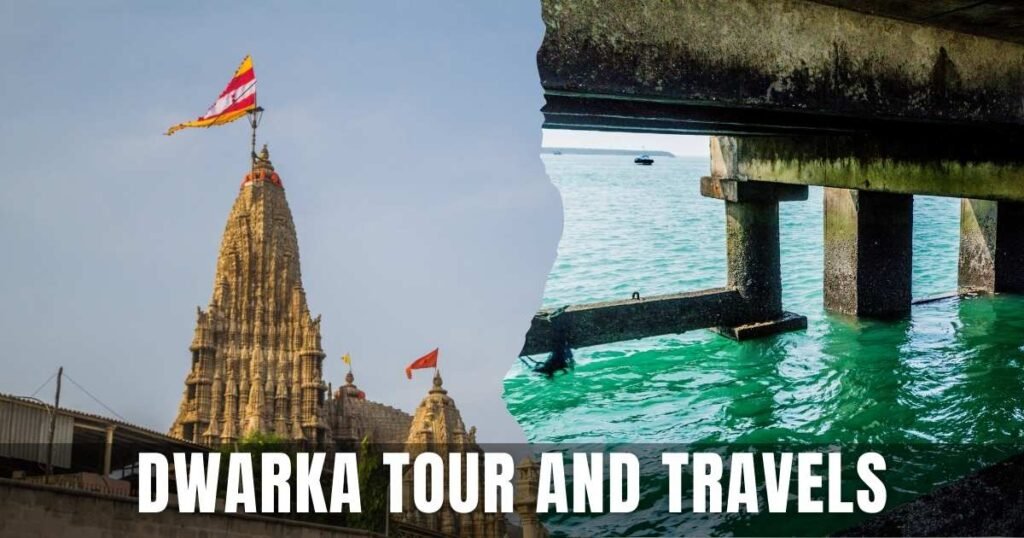
This temple doesn’t ease you in. It pulls you straight into movement. Lines shift quickly. Darshan is brief. The energy is intense.
Local Guide Tip:
Stand slightly away from the sanctum entry. Darshan often feels clearer without pushing forward.
Rukmini Devi Temple
- Crowd level: Moderate
- Best time: Late morning
- Suitable for: Families and older travellers
The space here feels calmer than the main Dwarkadhish Temple. Many travellers find this visit unexpectedly grounding.
Nageshwar Jyotirlinga
- Crowd level: Moderate
- Best time: Early morning
- Suitable for: Shiva devotees
This temple feels open and direct. Rituals move steadily without crowd pressure if you arrive early.
Ghats and Coastal Spaces
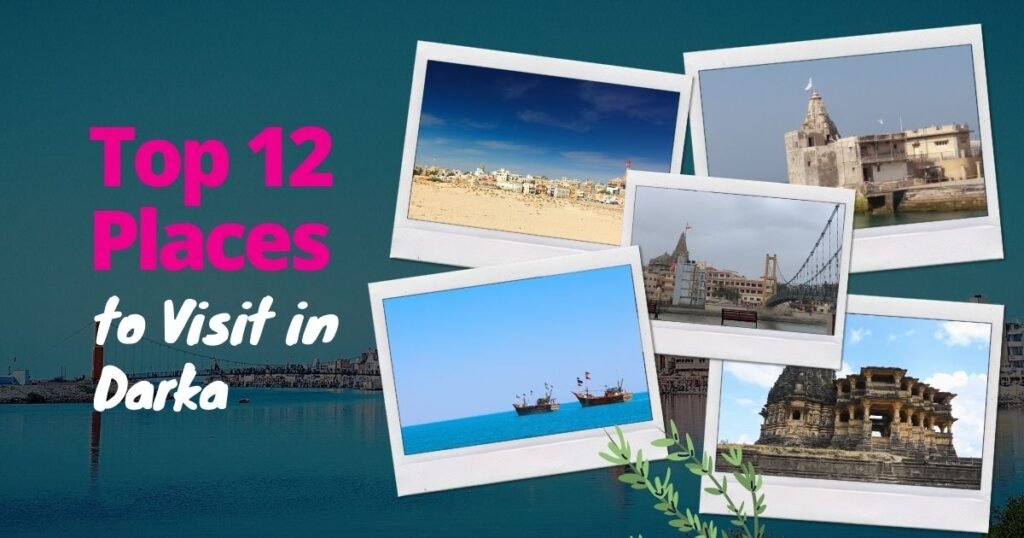
Gomti Ghat, Dwarka
- Crowd level: Busy during mornings
- Best time: Early morning
- Suitable for: Ritual bathing and quiet observation
This ghat acts as a bridge between temple ritual and daily life. Vendors, pilgrims, priests all share the space naturally.
Somnath Beach Area
- Crowd level: Moderate
- Best time: Evening
- Suitable for: Slow walks and reflection
The sea here isn’t decorative. It feels assertive. People tend to walk silently along this stretch.
Best Time to Visit Somnath and Dwarka
Seasonal Reality
- October to March: Pleasant weather, higher crowds
- April to June: Hot, fewer visitors
- July to September: Humid, unpredictable seas
Daily Rhythm
- Early mornings feel calmer
- Evenings feel emotionally heavier
Travellers who prioritise mornings often feel less rushed throughout the day.
Nearest Places to See Around Somnath and Dwarka
Porbandar
- Coastal town
- Less crowded
- Good short stop
Bet Dwarka
- Requires boat crossing
- Moderately crowded
- Adds variety to the journey
Junagadh
- Historical significance
- Good food stops
- Suitable overnight break
Safety Tips for Travellers
- Carry minimal belongings in temple areas
- Wear modest, comfortable clothing
- Stay hydrated, especially in coastal heat
- Follow local temple instructions patiently
- Avoid late-night travel between towns
Local Guide Tip:
If roads feel tiring, stop early. Gujarat distances look manageable on maps but feel longer on the ground.
How to Reach Somnath and Dwarka
🚗 By Car
- Ahmedabad to Somnath: Around 410 km
- Somnath to Dwarka: Around 230 km
- Best for flexible pacing
🚆 By Train
- Veraval for Somnath
- Dwarka station for Dwarka
- Well-connected routes
✈️ By Air
- Nearest airport: Ahmedabad
- Road or train travel required afterward
Planning Support Partner
Many travellers underestimate how tiring long Gujarat road journeys can be when combined with temple timings and coastal weather. Somnath Dwarka Tour Package often helps travellers keep routes practical, avoid unnecessary backtracking, and adjust plans calmly when conditions change. This kind of support doesn’t hurry the journey. It protects it.
FAQs – Somnath and Dwarka Tour Package
Q1. How many days are ideal for Somnath and Dwarka?
4 to 5 days allow comfortable pacing.
Q2. Is this journey suitable for older travellers?
Yes, with early starts and planned breaks.
Q3. Are temples very crowded?
Yes, especially during aarti times.
Q4. Can families travel comfortably?
Yes, with proper planning.
Q5. Is walking unavoidable?
Some temple areas require walking.
Q6. What should I wear?
Simple, modest clothing.
Q7. Are guides necessary?
Helpful, but not mandatory.
Q8. Is photography allowed inside temples?
Mostly restricted.
Q9. Can nearby places be added?
Yes, with route planning.
Q10. What is the most common mistake travellers make?
Trying to rush both towns without rest.
Conclusion
Somnath and Dwarka don’t compete for attention.
They ask for patience.
One teaches you to stand still against the waves. The other teaches you to move without urgency. Somewhere between the two, the journey stops feeling like a checklist and starts feeling personal.
And when that happens, you don’t remember every ritual.
You remember how the road felt between them.