Prabhas Patan Museum, Somnath: Timings, Tickets and What to See
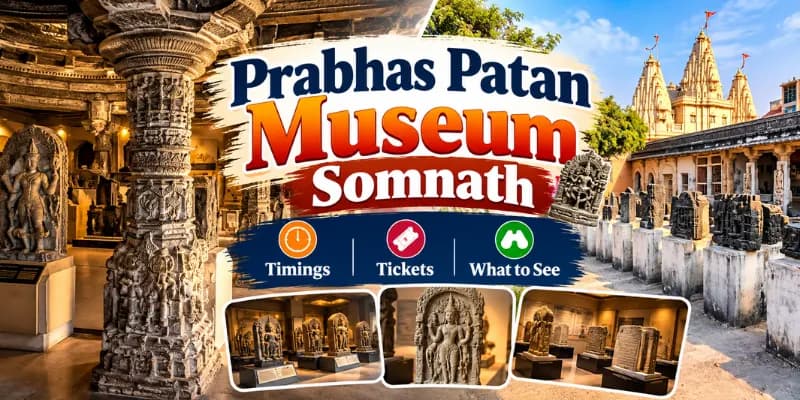
The Prabhas Patan Museum, also called the Somnath Museum, sits about 300 metres north of the Somnath temple and holds over 3,500 artifacts, temple fragments and inscriptions tracing Somnath's thousand-year history. It is open 10:30 AM to 5:30 PM, closed Wednesdays, and entry is just five rupees. Experience My India includes it on tours.
I am Harsh Rawat, born in Dwarka and a guide on this coast for more than 8 years and the Prabhas Patan Museum is one of my favourite stops to bring travellers, precisely because most of them walk straight past it. It is small, quiet and inexpensive, yet it holds the physical memory of everything the great Somnath temple has survived. I include it on tours for the Somnath Dwarka Tour Package team, the pilgrimage unit of Experience My India. This guide covers the museum's timings and tickets, where it is and how to reach it, exactly what you will see inside and why a twenty-minute visit here changes how you feel standing before the Jyotirlinga.
Planning your Somnath visit? Message me on WhatsApp for a full darshan and sightseeing plan or call +91 73006 20809.
About the Prabhas Patan Museum
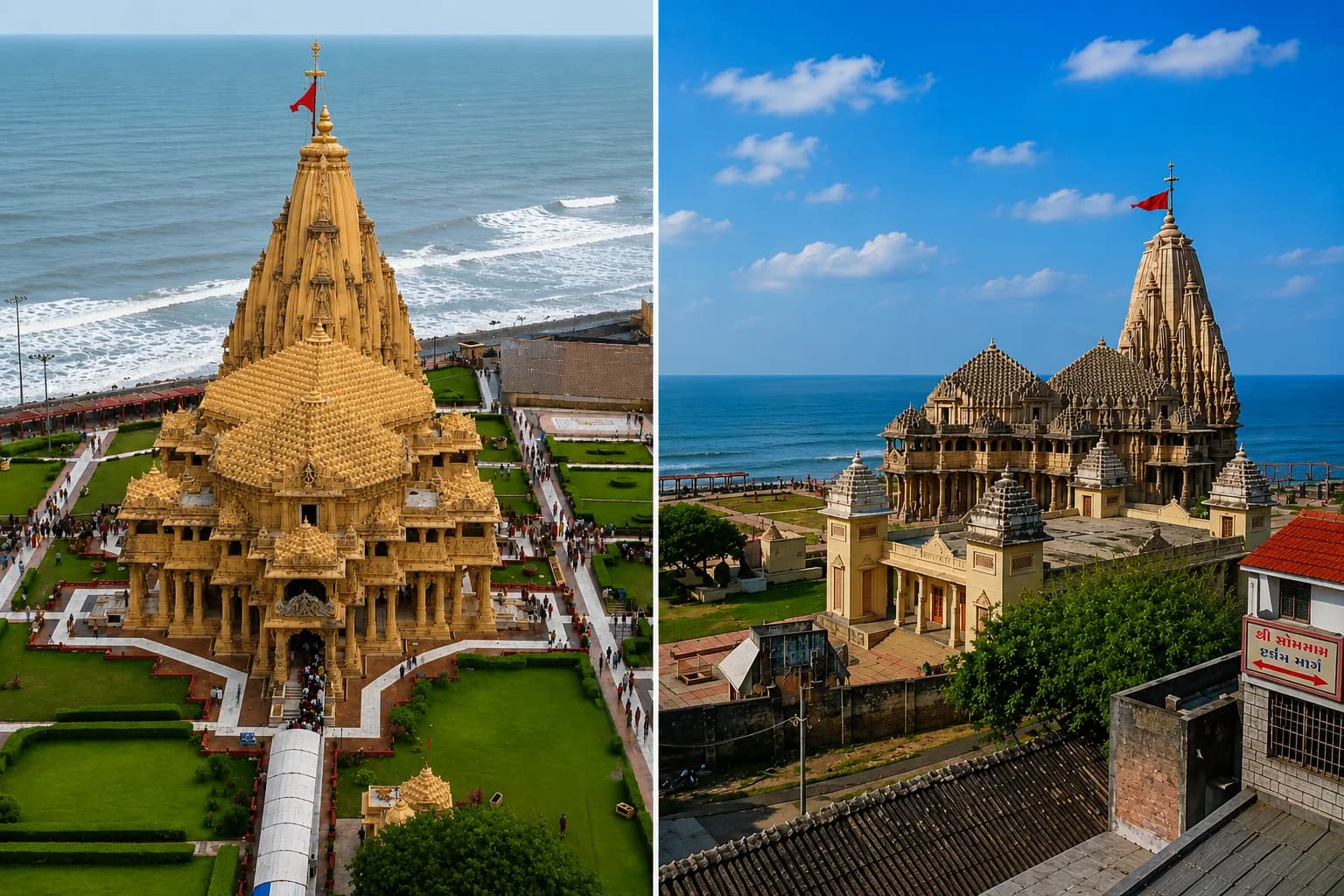
The Prabhas Patan Museum, widely known as the Somnath Museum, was founded in 1951 and is maintained by the Government of Gujarat and the Gujarat Tourism department. It preserves over 3,500 ancient artifacts, temple ruins and inscriptions that chronicle the thousand-year history and remarkable resilience of the Somnath temple. Many of the pieces here are fragments and remains from earlier phases of the temple, which was destroyed and rebuilt many times across the centuries. In other words, the museum is where the older Somnaths still live, carved stone by carved stone and it is one of the most authentic historical collections anywhere on the Saurashtra coast.
Prabhas Patan Museum Timings and Entry Fees
Everything you need to plan a visit, at a glance.
Detail | Information |
Timings | 10:30 AM to 5:30 PM, Thursday through Tuesday |
Closed on | Wednesdays, public holidays and select Saturdays |
Entry, Indian nationals | Five rupees per person |
Entry, foreign nationals | Fifty rupees per person |
Photography | One hundred rupees |
Videography | Five hundred rupees |
Best time to visit | The cooler winter months, November to February |
At just five rupees for Indian visitors, this is one of the best-value stops in all of Somnath. Do remember it is closed on Wednesdays, which catches out a lot of travellers who arrive on their one free afternoon only to find the doors shut.
Where It Is and How to Reach
The museum is beautifully placed for pilgrims: it sits roughly 300 metres north of the main Somnath temple, along the market street in Prabhas Patan. That means you can walk to it in a few minutes straight from the temple, browsing the bazaar on the way, so there is no need for separate transport. If you are touring the wider area by private cab, the driver can simply drop you at the temple and you cover both on foot. Because it is so close, the museum slots naturally into any Somnath itinerary between darshan and lunch.
What to See: Key Exhibits and Highlights
For a small museum, the collection is unusually rich and varied. These are the highlights worth lingering over.
The reconstructed 12th-century shrine: a reassembled inner shrine complete with delicately carved ceilings, reminiscent of the ancient Chalukyan architecture that once graced Somnath. It is the centrepiece and the most atmospheric part of the museum.
Sculptures and idols: eleventh-century statues of deities including Lord Vishnu, Lord Agni, Uma Maheshwara, Parvati and Natya Bhairava, many showing exquisite craftsmanship despite their age.
Inscriptions in many scripts: stone slabs and inscriptions written in Brahmi, Sanskrit, Pali, Arabic and Persian, a rare record of the many cultures and rulers that passed through this coast over a thousand years.
Sacred waters and curiosities: glass jars holding sacred waters gathered from rivers and seas across India and the world, alongside old coins, pottery shards and seashells that speak to Prabhas Patan's ancient life as a port and pilgrimage town.
Why the Museum Matters
Here is what most visitors miss and why I never skip it. The Somnath temple you see today is not the original; it is the latest in a long line, rebuilt again and again after being destroyed during historic invasions. The Prabhas Patan Museum is where the fragments of those earlier temples are gathered and cared for, the carved ceilings, the broken idols, the weathered inscriptions. Walking through it before or after your darshan turns an abstract story of resilience into something you can see and almost touch. When you then stand before the present Jyotirlinga, you understand in your body how many times faith rebuilt this place. That shift in feeling is the real reason the museum belongs on your itinerary.
How Much Time to Spend and Is It Worth It?
The museum is compact, so twenty to forty minutes is enough to see it properly, which makes it easy to fit in. Is it worth it? For anyone with the slightest interest in history, architecture or the deeper story of Somnath, absolutely and at five rupees it costs almost nothing. If you are travelling with children, it is a gentle, educational break from temple queues. It pairs naturally with the other sights in the things to do in Somnath list, so you lose no time by adding it.
Best Time to Visit and Tips
Visit in winter, November to February, when Somnath's weather is pleasant, though the museum is indoors and comfortable year round.
Avoid Wednesdays, public holidays and the select Saturdays when it is closed. Plan around this if your trip is short.
Go mid-morning after the temple opens, so darshan and the museum flow together before lunch.
Pay the small photography fee if you like history, as the reconstructed shrine and carvings are wonderfully photogenic.
Carry water and dress modestly, since you will likely visit the temple and other shrines the same day.
Combine It With These Nearby Sites
Because everything in Prabhas Patan sits within a few kilometres, the museum combines effortlessly with the rest of Somnath. Start with darshan at the temple, walk over to the museum, then continue to the Triveni Sangam, Gita Mandir and Bhalka Tirth and close the day with the Somnath beach and the evening aarti. Check the Somnath temple timings so the museum and darshan line up and a guided one-day Somnath tour from Experience My India strings them all together without a wasted step.
What I Tell My Travellers
I always steer people into this museum, gently, because they never expect to enjoy it as much as they do. I tell them not to rush the reconstructed shrine, to read a few of the inscriptions and imagine the hands that carved them and to notice how many different scripts share these walls. Twenty quiet minutes here, away from the crowds and the whole of Somnath makes more sense. It is the kind of small, meaningful stop that turns a temple visit into a real understanding of the place, which is exactly the sort of depth Experience My India tries to build into every trip. If you are staying overnight, our where to stay options keep you within easy walking distance of the temple and the museum both.
See the real story of Somnath with a local
Chat on WhatsApp Call +91 73006 20809

Harsh Rawat
Somnath–Dwarka circuit planning
Harsh Rawat runs Somnath Dwarka Tour Package on the ground in Gujarat, part of Experience My India. Since 2018 he has been planning and driving the Somnath–Dwarka circuit — the darshan timings, the road hours between temples and the stops worth adding — and the routes, fares and timings published across this site are the ones he maintains.