Hanuman Jayanti 2027: Date, Timings, Significance and Celebrations
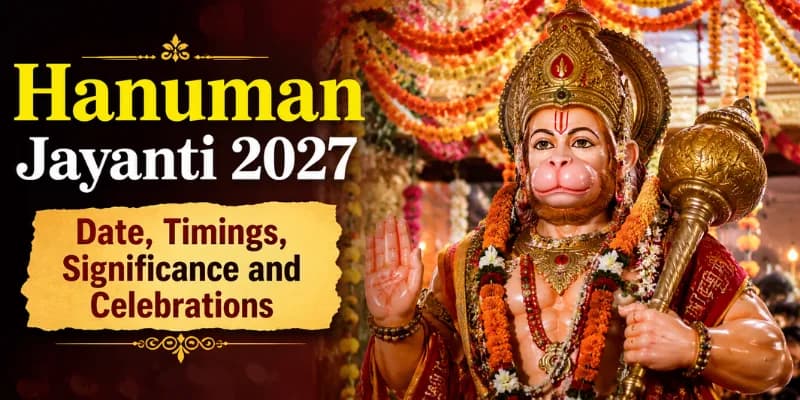
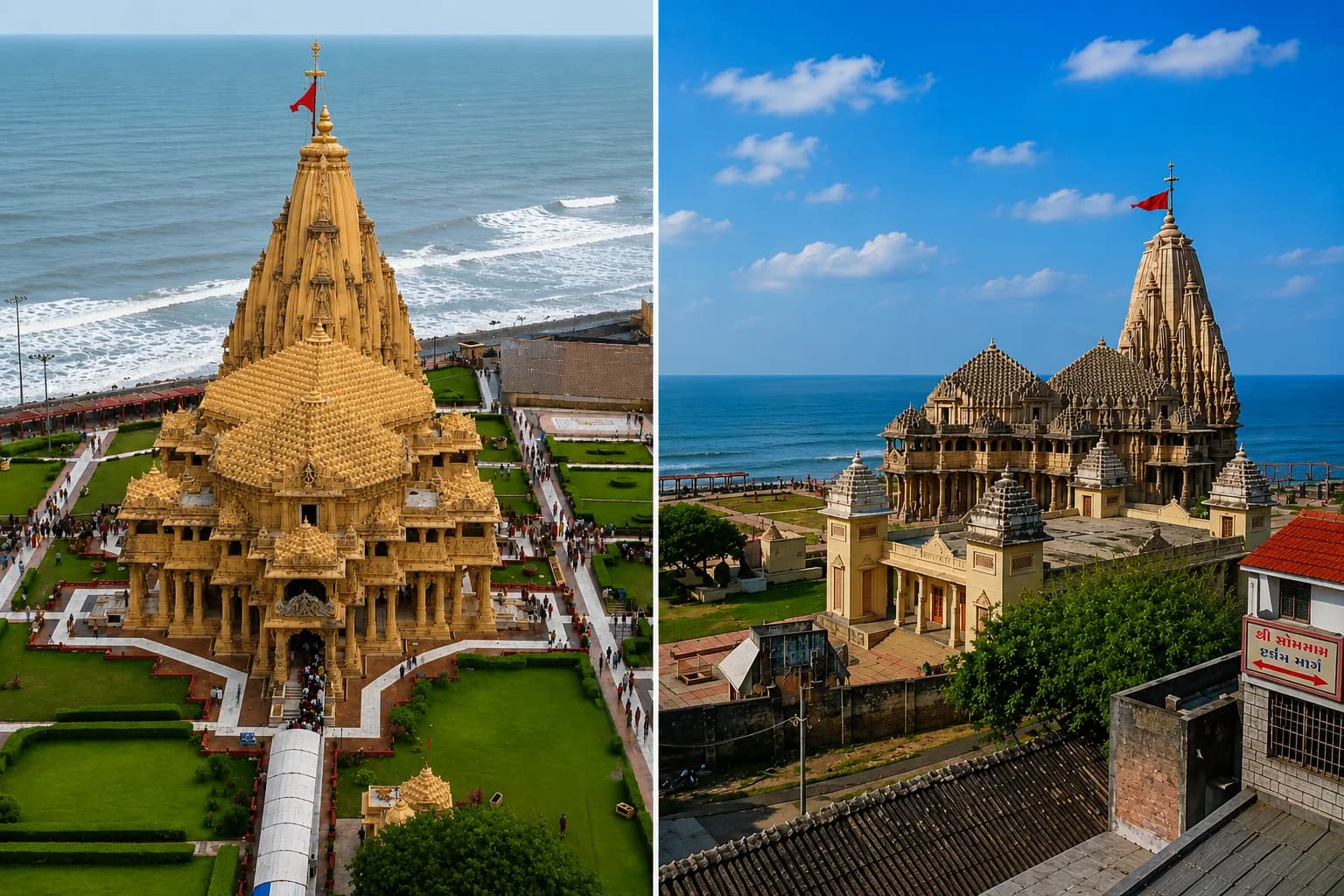
Hanuman Jayanti 2027 falls on Tuesday, April 20, 2027, on the Chaitra Purnima full moon in North India. It marks the birth of Lord Hanuman, celebrated with early morning abhishek, the Hanuman Chalisa and temple processions. Experience My India can plan a Gujarat temple trip around it.
Hanuman Jayanti, also called Hanuman Janmotsava, is one of the most beloved festivals in the Hindu calendar, honouring the birth of Lord Hanuman, the devoted companion of Lord Rama and the very symbol of strength, courage and selfless service. This guide, from the team behind Somnath Dwarka Tour Package, a unit of Experience My India, covers the Hanuman Jayanti 2027 date and timings, the significance and story behind it, how it is celebrated across India and where to mark it in Gujarat. For more on the state's celebrations, see our festivals section.
When is Hanuman Jayanti 2027?
In 2027, Hanuman Jayanti falls on Tuesday, April 20, 2027, according to the North Indian Chaitra Purnima calendar. The festival is observed on the full moon day of the Hindu month of Chaitra, which usually falls in March or April. The Purnima tithi timings for 2027 are as follows:
Event | Date and time |
Purnima tithi begins | 04:51 AM, April 20, 2027 |
Purnima tithi ends | 03:56 AM, April 21, 2027 |
Hanuman Jayanti (North India) | Tuesday, April 20, 2027 |
Since Lord Hanuman is believed to have been born at sunrise, celebrations at Hanuman temples begin before dawn and continue through the day. The exact date can vary slightly by region and by the calendar followed, as explained further below.
Hanuman Jayanti 2027 at a glance
Festival | Hanuman Jayanti or Hanuman Janmotsava |
Date in 2027 | Tuesday, April 20, 2027 (North India) |
Hindu month | Chaitra Shukla Purnima, the spring full moon |
Marks | The birth of Lord Hanuman |
Celebrated with | Abhishek, Hanuman Chalisa, Sundarkand, aarti, fasting |
Famous in Gujarat at | Sarangpur and Bet Dwarka's Hanuman Dandi |
Hanuman Jayanti or Hanuman Janmotsava?
In recent years many devotees and temples prefer to call the day Hanuman Janmotsava rather than Hanuman Jayanti. The reason is subtle but meaningful: the word jayanti is often used for the anniversary of a person who has passed away, whereas Lord Hanuman is regarded as a chiranjivi, an immortal being who is eternally present. Janmotsava, meaning birth celebration, better reflects the joy of marking the birth of a deity who is believed to still walk the earth, protecting his devotees. Both terms refer to the same festival and you will hear them used interchangeably, so there is no need to worry about which you use in prayer or greeting.
Significance of Hanuman Jayanti
Hanuman Jayanti celebrates the birth of Lord Hanuman, one of the most revered deities in Hinduism and a central figure in the epic Ramayana. The son of Anjana and Kesari and blessed by the wind god Vayu, Hanuman is worshipped as the embodiment of devotion, strength, courage, humility and selfless service. His unwavering loyalty to Lord Rama makes him the ideal devotee and his boundless power makes him a protector against evil and hardship. For millions of devotees, the day is a chance to seek his blessings for strength, protection and the courage to overcome life's difficulties and to draw inspiration from a life of pure devotion.
The story of Lord Hanuman's birth
According to legend, Hanuman was born to Anjana, a celestial being and Kesari, a mighty vanara king. Anjana is said to have prayed and performed penance to Lord Shiva for years for a child and Hanuman is often regarded as an incarnation of Shiva. The wind god Vayu played a divine role in his birth, gifting him extraordinary abilities, which is why Hanuman is also known as Pavanaputra, the son of the wind. From childhood he displayed immense strength and a playful, fearless spirit, once mistaking the sun for a fruit and leaping towards it. These stories of his power and devotion, retold on Hanuman Jayanti, remind devotees of the limitless potential of faith and courage. His role in the Ramayana, from finding Sita in Lanka to carrying an entire mountain of healing herbs to save Lakshmana, cements his place as the greatest of devotees and it is these very deeds that families remember and recount together on the festival day.
How Hanuman Jayanti is celebrated
Across India, Hanuman Jayanti is marked with deep devotion and joyous rituals:
Early morning abhishek: temples bathe the Hanuman idol before sunrise with panchamrita, milk, curd, ghee, honey and sugar, along with holy water.
Sindoor and garlands: the idol is adorned with red vermilion or sindoor and offered flowers, garlands and sacred leaves.
Hanuman Chalisa and Sundarkand: devotees recite the Hanuman Chalisa, often 108 times, along with the Sundarkand and passages from the Ramayana.
Aarti and prasad: the day ends with aarti and the distribution of prasad, often laddoos and boondi.
Fasting: many devotees observe a fast, either a strict nirjala fast without water or a lighter phalahara fast of fruits and milk.
Processions and charity: temples organise processions, bhajans and charitable activities to mark the day.
Regional variations of Hanuman Jayanti
One of the interesting features of Hanuman Jayanti is that it is observed at different times of the year across India, depending on regional traditions and the calendar followed:
North India: celebrated on Chaitra Purnima, which is April 20, 2027, the most widely known date.
Tamil Nadu and Kerala: observed later in the year, around the Margazhi or Dhanu month in December or January.
Karnataka: marked on the Shukla Trayodashi in the Margashirsha month, a different date again.
Andhra Pradesh and Telangana: celebrated over 41 days, beginning on Chaitra Purnima and concluding later in the Vaishakha month.
Gujarat: the Chaitra Purnima date is observed, while a separate Hanuman worship also takes place around Diwali, on Kali Chaudas.
Hanuman Jayanti in Gujarat and Dwarka
Gujarat has a deep connection with Lord Hanuman and Hanuman Jayanti is celebrated with great fervour at temples across the state. On the Dwarka coast, the Bet Dwarka island holds the unusual Hanuman Dandi temple, one of the few shrines that depicts Hanuman together with his son Makardhwaja, a rare and much-loved sight. Elsewhere in the state, grand celebrations, processions and continuous recitations of the Hanuman Chalisa fill the temples. Combining a Hanuman Jayanti darshan with a visit to Somnath and Dwarka makes for a deeply spiritual spring trip. The festival's spirit of courage and protection resonates strongly with pilgrims, who often begin the day with a Hanuman darshan before moving on to the great temples of the coast.
Famous Hanuman temples in Gujarat for the festival
If you wish to celebrate Hanuman Jayanti in Gujarat, a few temples stand out. The most famous is the Kashtabhanjan Dev Hanuman temple at Sarangpur, one of the most revered Hanuman shrines in India, believed to relieve devotees of suffering and troubles. On the Dwarka coast, the Hanuman Dandi temple at Bet Dwarka draws pilgrims for its unique father-and-son depiction. Many towns also have prominent Hanuman temples that come alive with celebrations on Chaitra Purnima, making the festival easy to experience wherever you travel in the state.
Hanuman Jayanti puja vidhi at home
You can also observe Hanuman Jayanti at home with a simple, heartfelt puja:
Wake before sunrise, bathe and wear clean clothes, ideally red or orange.
Clean the puja area and place an idol or image of Lord Hanuman, along with one of Lord Rama.
Offer sindoor, red flowers, a garland, incense, a ghee lamp and fruits or sweets like laddoos.
Recite the Hanuman Chalisa, the Sundarkand and the Bajrang Baan with devotion.
Perform the aarti, then distribute prasad to family and neighbours.
Many devotees keep a fast through the day, breaking it after the evening worship.
Things to do on Hanuman Jayanti
Whether at a temple or at home, the day offers many meaningful observances:
Visit a Hanuman temple early for the abhishek and morning aarti.
Recite or listen to the Hanuman Chalisa and Sundarkand.
Observe a fast as your health allows and eat simple, sattvic food.
Offer charity and food to those in need, in the spirit of selfless service.
Spend the day in devotion, bhajans and reflection on Hanuman's virtues.
Best time to plan a Gujarat temple trip
Hanuman Jayanti 2027, on April 20, falls in spring, when Gujarat is warming up but the temple towns are still pleasant in the mornings and evenings. If you wish to travel for the festival, plan around the best time to visit Gujarat and note that April is late in the cooler season, so start your temple visits early in the day. Use our how to reach Dwarka guide to plan your arrival and consider adding a Gir safari to your spring itinerary before the summer heat sets in.
Tips for Hanuman Jayanti 2027
A few pointers to make the day meaningful and smooth:
Reach the temple early, as Hanuman Jayanti sees large, devoted crowds.
Wear red or orange, the colours associated with Lord Hanuman.
Carry offerings like sindoor, flowers and laddoos with you if visiting a temple.
Stay hydrated if fasting, especially in the April warmth.
Book travel and stays well in advance, as the festival is a busy pilgrimage day.
Keep to temple dress codes and photography rules during the busy celebrations.
Plan your Hanuman Jayanti trip
Experience My India can plan a spring temple trip around Hanuman Jayanti 2027, taking in Gujarat's famous Hanuman shrines along with Somnath and Dwarka. Read our Dwarka city guide for the coast, book Somnath Dwarka hotels near the temples and let a Somnath Dwarka taxi service handle the travel, so you can focus on the darshan and the festival.
Related guides
To plan your Gujarat temple trip, these Experience My India guides help:
Related guide | What it covers |
Air, rail and road access to the Somnath coast. | |
The best months for the Dwarka coast. | |
Darshan and aarti hours at the Jyotirlinga. | |
The sights within the Somnath temple town. | |
When to plan a lion safari on your trip. | |
Distance, ropeway and steps for the Girnar climb. |
Plan your festival trip
Experience My India can arrange a Gujarat temple trip around Hanuman Jayanti 2027. Browse more travel guides, message us on WhatsApp or call +91 73006 20809.

Harsh Rawat
Somnath–Dwarka circuit planning
Harsh Rawat runs Somnath Dwarka Tour Package on the ground in Gujarat, part of Experience My India. Since 2018 he has been planning and driving the Somnath–Dwarka circuit — the darshan timings, the road hours between temples and the stops worth adding — and the routes, fares and timings published across this site are the ones he maintains.